
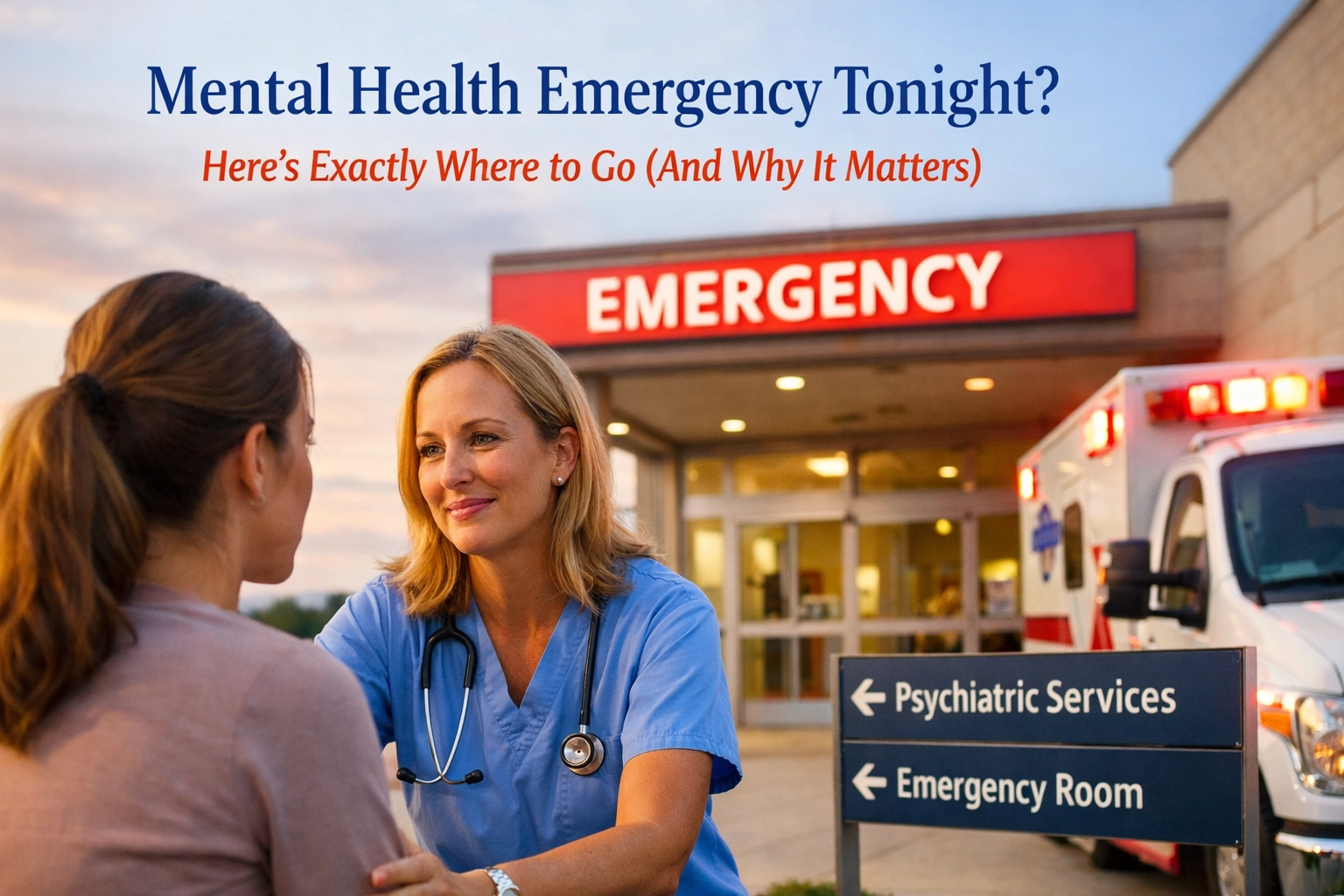
Emergency Mental Health Care in Nagpur – Urgent Psychiatric Support
Mental health emergencies can happen suddenly and may affect a person’s thoughts, emotions, behavior, judgment, or safety. Emergency Mental Health Care in Nagpur can provide timely professional assessment when symptoms become severe or create an immediate safety concern. At Treat Me Multispeciality Hospital, psychiatric care is available for urgent mental health concerns, subject to clinical assessment and service availability.
Severe emotional distress, suicidal thoughts, hallucinations, severe agitation, aggressive behavior, sudden confusion, extreme mood changes, or serious substance-related problems may require urgent medical attention. Therefore, families should not ignore major changes in behavior or safety.
Treat Me Hospital provides psychiatric and psychological services through a multidisciplinary team. The hospital lists emergency services among its facilities and currently states that emergency services are available 24 hours with appointment. For an urgent situation, contact the hospital directly to confirm current availability before traveling.
When Is Emergency Mental Health Care Needed?
A mental health emergency involves a situation in which a person may need urgent professional assessment because symptoms have become severe or safety may be at risk. The situation can involve emotional, behavioral, psychiatric, or substance-related concerns.
Seek urgent professional help when a person has suicidal thoughts, has attempted self-harm, threatens to harm another person, experiences severe confusion or hallucinations, becomes extremely agitated or aggressive, or shows a sudden and serious change in behavior. Severe intoxication or withdrawal can also require urgent medical assessment.
However, not every mental health concern requires emergency treatment. Anxiety, depression, sleep problems, stress, or ongoing emotional difficulties may often receive care through a scheduled psychiatric or psychological consultation.
If there is immediate danger to life or safety, contact local emergency services or go to the nearest emergency department rather than waiting for a routine psychiatric appointment. WHO also recommends urgent emergency help when someone is in immediate danger of self-harm.
Emergency Psychiatric Care at Treat Me Hospital
Treat Me Hospital provides psychiatric services as part of its multispecialty healthcare setup. The hospital’s psychiatry team includes Dr. Vikas Bhute, Dr. Priti Bhute, and Clinical Psychologist Kirti Upadhyay.
Dr. Vikas Bhute is a Consultant Psychiatrist with MBBS, DPM, and MD qualifications. Dr. Priti Bhute is a Consultant Psychiatrist with MBBS and DPM qualifications. Kirti Upadhyay is a Clinical Psychologist with an M.Phil in Clinical Psychology and RCI licensing.
Depending on the situation, psychiatric assessment, psychological support, medication management, counselling, and follow-up care may form part of the treatment plan. The appropriate approach depends on the person’s symptoms, medical history, level of risk, and clinical assessment.
Common Mental Health Emergencies
Several psychiatric conditions can become urgent when symptoms become severe or create a safety concern. Therefore, the focus should remain on the person’s current condition rather than on the diagnosis alone.
Emergency assessment may become necessary in situations involving suicidal thoughts or self-harm, severe depression, acute panic or anxiety, psychotic symptoms, severe mood episodes, extreme agitation, aggressive behavior, serious confusion, or substance-related emergencies.
People living with bipolar disorder or schizophrenia may also require urgent assessment when symptoms suddenly become severe. Similarly, severe insomnia accompanied by major behavioral or psychological changes can require professional evaluation.Emergency Mental Health Care In Nagpur
The treatment team will determine the appropriate level of care after assessing the individual. Emergency psychiatric care does not follow one standard treatment plan for every patient.
Emergency Care for Suicidal Thoughts or Self-Harm
Suicidal thoughts require serious attention. If someone talks about suicide, expresses an intention to die, has made a suicide attempt, or appears at immediate risk of self-harm, do not leave the person alone.
Instead, involve a trusted family member or caregiver and seek urgent professional help. Remove access to obvious means of self-harm when this can be done safely, and contact emergency services or take the person to an emergency department if there is immediate danger.
WHO advises seeking emergency services or crisis support when someone faces immediate danger of self-harm.
For these situations, a routine online consultation may not be appropriate. Indian telepsychiatry guidance specifically recommends in-person assessment when a patient presents with danger to self or others or requires emergency care.
Emergency Care for Severe Anxiety and Panic
Severe anxiety or panic can sometimes become overwhelming. A person may experience intense fear, rapid breathing, chest discomfort, shaking, dizziness, confusion, or a feeling of losing control.
Although panic symptoms can feel frightening, clinicians should also consider possible physical causes when symptoms are new, severe, or unusual. Therefore, emergency assessment may be appropriate when the symptoms are severe or when there is uncertainty about the person’s physical safety.
After assessment, the psychiatrist can determine whether the symptoms relate to an anxiety disorder, panic disorder, another mental health condition, medication or substance use, or a physical health problem.
Treatment may include psychiatric consultation, psychological support, medication when clinically appropriate, and follow-up care.
Emergency Care for Depression and Severe Mood Changes
Depression can become an emergency when a person develops suicidal thoughts, severe self-neglect, extreme hopelessness, significant behavioral changes, or other serious safety concerns.
Similarly, people with bipolar disorder may experience severe mood episodes that affect judgment, behavior, sleep, or safety. In some situations, urgent psychiatric assessment can help determine the level of care required.Emergency Mental Health Care In Nagpur
The psychiatrist may review current symptoms, previous psychiatric history, medications, sleep, substance use, medical conditions, and recent changes in behavior. The treatment plan will depend on the clinical findings.
Family members can provide valuable information when the patient is unable or unwilling to describe recent changes accurately. However, the clinical team should still assess the patient directly whenever possible.
Emergency Care for Psychosis and Severe Behavioral Changes
Hallucinations, delusions, severe confusion, extreme suspiciousness, disorganized behavior, or major behavioral changes can sometimes require urgent psychiatric assessment.
Psychotic symptoms can occur in several psychiatric and medical conditions. Substance use, medication effects, neurological conditions, and other medical problems can also contribute to unusual behavior or changes in perception.
Therefore, emergency assessment should focus on the person’s overall physical and mental condition. The clinical team may evaluate symptoms, medical history, medication use, substance exposure, sleep, and immediate safety risks.
If a person becomes violent or poses an immediate danger to themselves or others, prioritize safety and contact emergency services rather than attempting to manage the situation alone.
Emergency Mental Health Assessment
A psychiatric emergency assessment helps the clinician understand what is happening and determine the appropriate next step. The assessment may include questions about current symptoms, mood, behavior, thoughts, sleep, medications, substance use, previous psychiatric treatment, medical history, and recent stressful events.
The clinician may also assess immediate risks, including self-harm, suicide, aggression, severe confusion, or inability to care for basic needs.Emergency Mental Health Care In Nagpur
The assessment does not automatically mean that a person will receive psychiatric medication or hospitalization. Instead, the clinician uses the available information to determine what level of care may be appropriate.
Depending on the situation, the next step may include outpatient treatment, urgent follow-up, medication management, psychological support, observation, referral, or hospital-based care.
What Happens During an Emergency Psychiatric Consultation?
The first priority is safety. The clinical team assesses the person’s immediate condition and identifies any urgent medical or psychiatric risks.
Next, the psychiatrist reviews relevant symptoms and background information. Family members or caregivers may provide additional information when appropriate, particularly when the patient has severe confusion, altered behavior, or limited ability to explain what happened.
After the assessment, the psychiatrist discusses the recommended next steps. These may include medication, observation, psychological support, further medical evaluation, admission, or scheduled follow-up.
Treatment decisions depend on the individual patient’s condition. Therefore, emergency psychiatric care should not rely on a fixed treatment formula.
Psychological Support After a Mental Health Emergency
Managing an emergency represents only one part of mental healthcare. Once the immediate concern has been addressed, some patients may benefit from psychological counselling or therapy.
A clinical psychologist can help patients understand emotional triggers, develop coping strategies, manage stress, improve communication, and work through psychological difficulties. However, the type and timing of psychological therapy should depend on the patient’s clinical condition.
Treat Me Hospital includes clinical psychology services alongside psychiatric care. This multidisciplinary approach can allow psychiatric and psychological professionals to coordinate care when both forms of support are appropriate.
For some patients, family involvement can also support communication and ongoing care.
Emergency Mental Health Care for Children and Teenagers
Children and teenagers can also experience serious mental health emergencies. Warning signs may include suicidal thoughts, self-harm, severe aggression, extreme behavioral changes, hallucinations, severe confusion, or sudden deterioration in functioning.
Parents or caregivers should take these signs seriously. Because children and adolescents have different developmental needs, clinicians consider age, developmental history, family circumstances, school functioning, and behavioral changes during assessment.
If there is an immediate safety concern, seek urgent medical or emergency support rather than waiting for a routine appointment.
For non-emergency concerns such as persistent anxiety, ADHD symptoms, depression, behavioral difficulties, or school-related emotional problems, a scheduled child psychiatric or psychological assessment may be more appropriate.
Emergency Mental Health Care and Addiction-Related Problems
Alcohol and drug-related situations can sometimes create psychiatric or medical emergencies. Severe intoxication, withdrawal symptoms, confusion, agitation, seizures, loss of consciousness, or dangerous behavior may require urgent medical evaluation.
Substance use can also worsen depression, anxiety, psychosis, or suicidal thinking. Therefore, clinicians should consider both the psychiatric symptoms and the person’s substance-use history.
Treatment depends on the substance involved, the severity of symptoms, physical health, withdrawal risk, and other clinical factors. In some cases, medical monitoring or hospital-based treatment may be necessary.
Do not attempt to manage severe withdrawal or a serious substance-related emergency at home without professional guidance.
Emergency Psychiatric Care vs Routine Psychiatric Consultation
The Emergency psychiatric care and routine psychiatric consultation serve different purposes.Emergency Mental Health Care In Nagpur
Emergency care focuses on situations involving immediate safety concerns, severe symptoms, or rapidly changing behavior. Routine psychiatric consultation generally addresses ongoing concerns such as anxiety, depression, sleep problems, mood changes, OCD, stress, or other mental health difficulties that do not require immediate emergency intervention.
Treat Me Hospital currently lists regular hospital hours as Monday to Saturday, 11 AM to 5 PM, while its contact information states that emergency services are open 24 hours with appointment. Therefore, patients should contact the hospital directly to confirm emergency psychiatric availability before visiting.
Can Online Psychiatry Be Used During a Mental Health Emergency?
Online psychiatric consultation can support some mental health concerns, particularly when a patient is clinically suitable for telepsychiatry. However, online care is not appropriate for every emergency.
Indian telepsychiatry guidelines state that telepsychiatry should be stopped or referred for in-person consultation when a patient is dangerous to self or others or requires emergency care.
Therefore, people experiencing suicidal behavior, severe violence, serious confusion, acute psychosis, or another immediate safety concern should seek in-person emergency medical care rather than relying only on an online consultation.
For stable patients, online follow-up may be considered when the treating psychiatrist determines that telepsychiatry is suitable.
Follow-Up After Emergency Psychiatric Care
Emergency treatment may address the immediate concern, but some patients need continued care afterward. Follow-up allows the psychiatrist to review symptoms, treatment response, medication concerns, sleep, behavior, and other changes.
The follow-up plan depends on the patient’s condition. Some people may need short-term review, while others may require longer-term psychiatric or psychological care.
Family members can also learn how to recognize warning signs and when to seek help again. If symptoms suddenly worsen or a new safety concern develops, the person should receive urgent reassessment rather than waiting for a scheduled appointment
Why Choose Treat Me Hospital for Mental Health Care?
Treat Me Hospital provides psychiatric services within a multispecialty hospital setting in Nagpur. The hospital lists psychiatry among its specialties and emergency care among its hospital facilities.
The mental health team includes psychiatrists and a clinical psychologist who can provide different forms of assessment and psychological support according to individual needs.
Care may involve psychiatric assessment, medication management, counselling, psychological therapy, addiction-related support, and follow-up. The specific services provided during an emergency depend on the patient’s condition and the clinician’s assessment.
Most importantly, patients and families should contact the hospital before traveling when they need emergency psychiatric support, because emergency availability can depend on appointment and clinical circumstances.
Emergency Mental Health Care Near Wardha Road, Nagpur
Treat Me Hospital is located at Plot No. 7, Hindustan Colony, Wardha Road, Near Sai Mandir, Nagpur, Maharashtra 440015. The hospital’s listed contact number is 07066044410.
Its location on Wardha Road can make it a convenient option for people seeking psychiatric and multispecialty healthcare in and around this part of Nagpur.
For an urgent psychiatric concern, call the hospital before visiting and explain the nature of the emergency. If there is immediate danger to life or safety, contact emergency services or go to the nearest emergency department without waiting for a routine appointment.
Conclusion
Frequently Asked Questions
Emergency mental health care provides urgent assessment and support when severe psychiatric symptoms or immediate safety concerns require prompt professional attention.
Seek urgent help for suicidal thoughts or attempts, serious self-harm risk, danger to others, severe hallucinations, extreme confusion, severe agitation, or other sudden symptoms that create a safety concern.
Suicidal thoughts can indicate a serious safety concern. If someone is at immediate risk of self-harm, do not leave them alone and seek emergency professional help.
Not necessarily. However, severe, unusual, first-time, or medically concerning symptoms may require urgent assessment to rule out other causes.
Yes. Severe psychotic symptoms, dangerous behavior, extreme confusion, or inability to maintain personal safety may require urgent psychiatric assessment.
Yes. Severe mood episodes can affect judgment, behavior, sleep, and safety. Urgent assessment may become necessary when symptoms become severe.
Yes. Severe intoxication, withdrawal, confusion, agitation, seizures, or dangerous behavior can require urgent medical assessment.
The hospital’s contact information currently states that emergency services are open 24 hours with appointment. Patients should call 07066044410 to confirm current availability before visiting.
Online consultation may not be appropriate for a psychiatric emergency. Indian telepsychiatry guidance recommends in-person care when a patient requires emergency care or presents a danger to self or others.
The clinician reviews current symptoms, medical and psychiatric history, medications, substance use, behavior, and immediate safety risks before deciding on the appropriate next step.
No. Hospitalization depends on the patient’s clinical condition, safety needs, and the treating clinician’s assessment.
Family involvement may be helpful, particularly when the patient has difficulty explaining recent symptoms or behavior. The clinical team will decide how family participation fits the assessment and treatment process.
Yes. Children and teenagers can require urgent assessment for serious behavioral, emotional, psychiatric, or safety concerns.
Prioritize safety. Do not physically confront the person if doing so could increase danger. Move to a safe location and contact emergency services or urgent medical support.
Contact Treat Me Hospital for Psychiatric Support
If you or a family member is experiencing a serious mental health crisis, seek professional help promptly. For emergency psychiatric support at Treat Me Hospital, call 07066044410 and confirm current emergency availability before visiting.
Treat Me Multispeciality Hospital
Plot No. 7, Hindustan Colony, Wardha Road, Near Sai Mandir, Nagpur, Maharashtra 440015
Phone: 07066044410
Email: treatmehospital@gmail.com
For immediate danger, suicidal behavior, serious self-harm, or danger to another person, contact local emergency services or go to the nearest emergency department.
Medical Disclaimer
This page provides general information about emergency mental health care and does not replace an individual medical assessment. Mental health emergencies can have different causes and levels of risk. A qualified healthcare professional should determine the appropriate treatment and level of care.
If symptoms involve immediate danger to yourself or another person, seek emergency medical assistance immediately.