Gastroenterologists primarily diagnose and treat GI conditions. If your primary care physician has noticed an issue involving your GI tract, they will most likely recommend you see a gastroenterologist for a more detailed assessment of the issue.
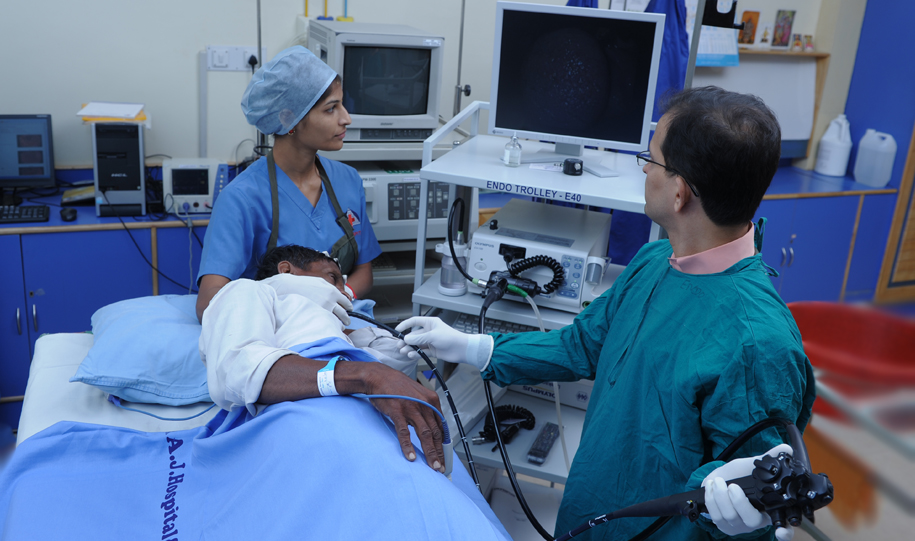
Gastroenterologists perform endoscopic procedures, in which they use specialized instruments to view the GI tract and make a diagnosis.
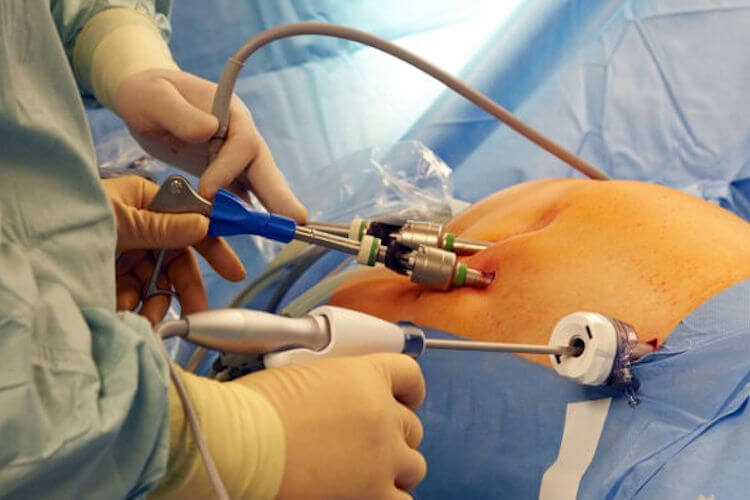
They don’t perform surgery, though in some cases, they may work closely with a GI surgeon. They primarily work in clinic or hospital settings.
Endoscopy
During an endoscopy, a gastroenterologist uses a camera that attaches to a long, thin tube called an endoscope to look inside the stomatch area.
They insert the endoscope through the mouth, down the throat, and into the esophagus it is small tube. It sends images back to a screen for monitoring it shows infections parts.
persistent heartburn
nausea and vomiting
bleeding
problems with swallowing
stomach pain
unexplained weight loss
What is gastroenterology?
Gastroenterology is a specialized area of medicine that concentrate on the GI tract. Some gastroenterologists treat common diseases of the GI. Some possible areas are:
pancreatic disease
inflammatory bowel disease
gastrointestinal cancer
endoscopic surveillance
When to See a Gastroenterologist
The gastrointestinal organs
The movement of material through the stomach and intestines