Rehabilitation Centre for Addiction in Nagpur – Addiction Treatment & Recovery Support
Addiction can affect physical health, mental well-being, relationships, work, finances, and everyday functioning. However, people can seek professional help at different stages of substance use. A Rehabilitation Centre for Addiction in Nagpur can provide structured assessment, medical care, psychological support, and follow-up based on individual needs.
At Treat Me Multispeciality Hospital, addiction care involves psychiatric assessment, psychological counselling, treatment planning, and ongoing follow-up. The appropriate treatment depends on the substance involved, pattern of use, withdrawal risk, physical health, mental health, and the person’s social and family circumstances.
Treatment does not follow one identical plan for everyone. Instead, the clinical team assesses the individual and recommends an appropriate level of care. Depending on the assessment, care may include outpatient treatment, medical management, psychological therapy, rehabilitation support, family involvement, or referral for a higher level of care.
Addiction Treatment Team at Treat Me Hospital
Treat Me Hospital provides psychiatric and psychological services for people experiencing addiction and related mental health concerns. The team listed by the hospital includes psychiatrists and a clinical psychologist.
Dr. Vikas Bhute is a Consultant Psychiatrist with MBBS, DPM, and MD qualifications. Dr. Priti Bhute is a Consultant Psychiatrist with MBBS and DPM qualifications. Kirti Upadhyay is a Clinical Psychologist with an M.Phil in Clinical Psychology and RCI licensing.
Depending on the patient’s needs, the team may provide psychiatric evaluation, medication management when clinically appropriate, psychological counselling, behavioral interventions, family guidance, and follow-up care. Rehabilitation Centre For Addiction In Nagpur
When Should You Consider Addiction Rehabilitation?
Not everyone who uses alcohol or drugs has the same level of dependence. However, professional assessment becomes particularly important when substance use becomes difficult to control or begins affecting health and daily life.
Signs may include repeated unsuccessful attempts to stop, strong cravings, increasing tolerance, withdrawal symptoms, spending significant time obtaining or using a substance, neglecting responsibilities, relationship problems, or continuing to use despite physical or psychological harm.
A person may also need professional assessment when alcohol or drug use affects sleep, mood, work, studies, finances, or family relationships. Furthermore, anxiety, depression, trauma-related symptoms, or other mental health concerns can occur alongside substance use.
Early professional assessment can help determine the appropriate treatment level without assuming that every person requires residential rehabilitation.
Understanding Substance Use Disorder | Rehabilitation Centre For Addiction In Nagpur
Addiction is more than a lack of willpower. Substance use disorders can involve changes in behavior, motivation, reward, emotional regulation, and decision-making. They can also involve physical dependence and withdrawal.
For this reason, simply telling someone to stop using a substance may not provide adequate care. Treatment often needs to address substance use together with physical health, psychological concerns, social circumstances, and relapse risks. Rehabilitation Centre For Addiction In Nagpur
WHO describes rehabilitation as a longer-term process that can combine medical, psychosocial, and recovery-oriented approaches. It also emphasizes that treatment should match the individual’s needs rather than follow one standard approach.
Alcohol Addiction Rehabilitation in Nagpur
Alcohol dependence can affect physical health, mood, sleep, relationships, and daily functioning. Some people can receive outpatient treatment, while others may need closer medical supervision depending on their level of dependence and withdrawal risk.
At Treat Me Hospital, the assessment can consider alcohol-use patterns, previous withdrawal symptoms, medical history, psychiatric symptoms, medications, family circumstances, and previous attempts to stop drinking. Rehabilitation Centre For Addiction In Nagpur
Treatment may involve psychiatric care, medication when clinically appropriate, psychological counselling, behavioral support, family education, and follow-up. The treatment plan should reflect the person’s current clinical needs.
Importantly, people with significant alcohol dependence should not suddenly stop drinking without medical advice. Alcohol withdrawal can sometimes become severe and may require medically supervised management. WHO recommends supported withdrawal and closer medical management for people at risk of severe withdrawal or serious physical or psychiatric complications.
Drug Addiction Rehabilitation in Nagpur
Drug dependence can involve different substances, and each substance can create different medical and psychological risks. Therefore, treatment should begin with an assessment rather than a fixed rehabilitation formula.
The psychiatrist may review the type of substance, frequency and amount of use, route of use, cravings, withdrawal symptoms, previous treatment, medical history, psychiatric symptoms, and other medicines or substances being used.
Depending on the assessment, treatment may include medical management, psychological counselling, behavioral therapy, family support, relapse-prevention planning, and regular follow-up.
Some forms of drug withdrawal require specialist management. For example, WHO notes that uncontrolled benzodiazepine withdrawal can become severe and may require specialist advice or hospitalization.
Medical Assessment Before Addiction Treatment
A proper assessment helps the treatment team understand the person’s current needs. The clinician may ask about substance use, previous attempts to stop, withdrawal symptoms, cravings, sleep, mood, anxiety, physical health, medications, family history, and other relevant factors.
The assessment may also look for co-occurring mental health concerns. Depression, anxiety, psychosis, trauma-related symptoms, and other psychiatric conditions can affect substance use and treatment planning.
The goal is not simply to label the addiction. Instead, the assessment helps determine the safest and most appropriate treatment pathway.
Depending on the findings, the clinician may recommend outpatient care, structured rehabilitation, medical supervision, psychological treatment, or referral to another service.
Medical Detoxification and Withdrawal Support
Detoxification refers to the medical management of intoxication and withdrawal. It represents one stage of treatment rather than the entire recovery process.
Some people experience mild withdrawal, while others can develop serious complications. The risk depends on the substance, duration and pattern of use, previous withdrawal history, physical health, and other factors.
Alcohol withdrawal can become medically serious in some dependent patients. WHO recommends medically supported withdrawal and indicates that people at risk of severe withdrawal may require inpatient management.
Therefore, patients should not attempt to manage severe withdrawal alone. The treating clinician can determine whether medical monitoring, medication, observation, or a higher level of care is appropriate.
Psychological Counselling for Addiction | Rehabilitation Centre For Addiction In Nagpur
Psychological support forms an important part of addiction treatment. Counselling can help people understand patterns associated with substance use and develop strategies for managing cravings, stress, triggers, relationships, and high-risk situations.
Depending on the patient’s needs, psychological treatment may include individual counselling, behavioral approaches, motivational interventions, family work, or other suitable therapies.
WHO recommends structured psychosocial interventions for alcohol dependence, including approaches such as cognitive behavioral therapy and motivational interventions.
However, therapy should complement the overall treatment plan rather than replace necessary medical care. The psychologist and psychiatrist can coordinate treatment when both forms of support are appropriate.
Relapse Prevention and Long-Term Recovery Support
Recovery does not end when a person stops using a substance. Some people continue to experience cravings, emotional difficulties, social triggers, or situations that increase the risk of returning to substance use.
Relapse-prevention planning can help patients identify personal triggers and develop practical responses. Treatment may address stress management, sleep, family relationships, routines, coping strategies, and situations associated with previous substance use.
For some alcohol-use disorders, medications may also form part of relapse-prevention treatment when clinically appropriate. WHO lists several medications that clinicians may consider for reducing relapse to heavy alcohol use.
The specific treatment should always depend on professional assessment rather than a standard medication or therapy plan
Family Support During Addiction Treatment
Addiction affects families as well as individuals. Family members may experience stress, financial difficulties, communication problems, uncertainty, or concern about the person’s safety.
With the patient’s consent and when clinically appropriate, family involvement can help improve communication and understanding of the treatment process. Families can also learn how to respond to warning signs and support healthy routines without enabling harmful substance use.Rehabilitation Centre For Addiction In Nagpur
Family counselling may form part of treatment when the clinical team considers it suitable. However, the patient’s privacy and professional boundaries should remain important throughout the process.
Individualized Addiction Treatment Plans | Rehabilitation Centre For Addiction In Nagpur
Every person’s substance-use history is different. Therefore, Treat Me Hospital should assess the individual before deciding which treatment approach is appropriate.
The treatment plan may consider the substance involved, severity of dependence, withdrawal risk, medical conditions, psychiatric symptoms, previous treatment, family support, motivation, and practical circumstances.
Depending on these factors, treatment may involve psychiatric consultation, medication management, psychological counselling, behavioral therapy, medical withdrawal support, family involvement, or continued follow-up.
This individualized approach is consistent with international treatment standards, which recognize that no single intervention suits every person with a substance use disorder.
Outpatient vs Rehabilitation-Based Addiction Treatment
Not every patient needs residential rehabilitation. Some people may receive structured outpatient treatment while continuing to live at home. Others may need more intensive or supervised care because of withdrawal risk, medical complications, psychiatric symptoms, or limited support at home.
The treating clinician can assess the person’s needs and recommend the appropriate level of care.
Outpatient treatment may include scheduled psychiatric appointments, medication management, counselling, behavioral therapy, and follow-up. More intensive treatment may involve closer monitoring or referral to an appropriate inpatient or residential service.
The safest option depends on the individual’s clinical condition rather than the name of the treatment program.
Addiction and Co-Existing Mental Health Conditions | Rehabilitation Centre For Addiction In Nagpur
Substance use can occur alongside depression, anxiety, bipolar disorder, psychosis, sleep problems, or other mental health concerns. In some cases, substance use can worsen psychiatric symptoms. In other situations, people may use substances while attempting to cope with emotional distress.
Therefore, addiction treatment should consider both substance use and mental health.
A psychiatric assessment can help the clinician understand whether symptoms existed before substance use, developed during use or withdrawal, or require further evaluation after stabilization.
Treating co-existing concerns may involve psychiatric medication, psychological therapy, substance-use treatment, or a combination of approaches depending on the assessment.
What Happens During an Addiction Consultation?
The first consultation usually focuses on understanding the person’s current situation. The clinician may ask about the substance used, frequency, quantity, cravings, withdrawal, previous treatment, physical health, mental health, medications, and family or social circumstances.
The clinician may also discuss treatment goals and explain available options. Patients and families can use this opportunity to ask questions about withdrawal, treatment duration, follow-up, and the level of support required.
After the assessment, the psychiatrist can recommend the next step. That recommendation may involve outpatient treatment, medical management, counselling, rehabilitation support, or referral for more intensive care. Rehabilitation Centre For Addiction In Nagpur
How Long Does Addiction Rehabilitation Take?
There is no single treatment duration that applies to everyone. The required period depends on the substance involved, severity of dependence, withdrawal risk, physical and psychiatric health, treatment response, and the person’s support system.
Some patients may need short-term medical management followed by outpatient follow-up. Others may need longer-term psychological or rehabilitation support.
Instead of promising a fixed recovery period, the treatment team can review progress regularly and modify the plan when clinically necessary.
Long-term recovery often requires continued attention to triggers, mental health, lifestyle, family relationships, and relapse risks.
Why Consider Treat Me Hospital for Addiction Care?
Treat Me Hospital provides psychiatric and psychological services in a multispecialty hospital setting in Nagpur. The hospital’s current page lists Dr. Vikas Bhute, Dr. Priti Bhute, and Clinical Psychologist Kirti Upadhyay as part of its mental-health team.
The addiction-related approach described on the site includes psychiatric assessment, psychological counselling, behavioral support, medication management when required, family involvement, and follow-up.
Rather than presenting recovery as guaranteed, patients should receive a treatment plan based on their clinical assessment. The appropriate level of care can also change as treatment progresses.
For patients and families, the most important step is to seek professional assessment when substance use becomes difficult to control or starts affecting health, relationships, work, or daily functioning.
Addiction Rehabilitation Near Wardha Road, Nagpur
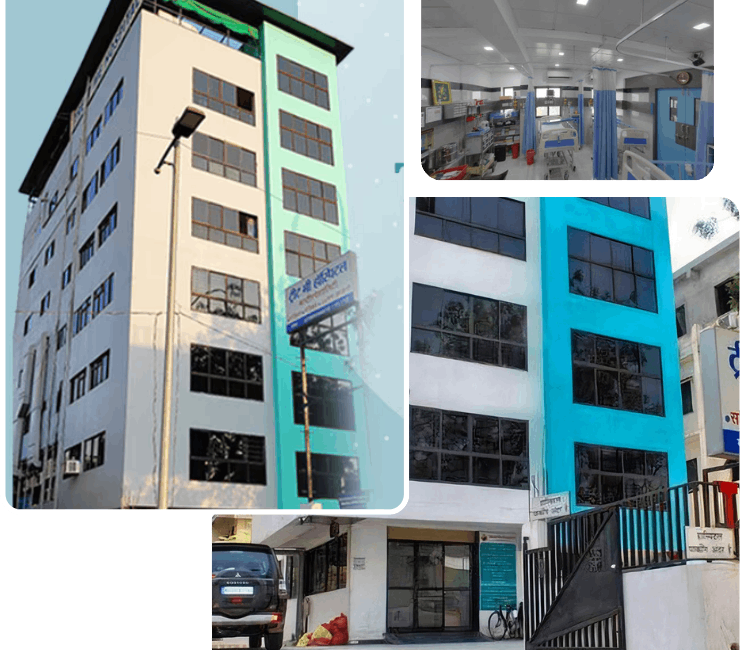
Treat Me Multispeciality Hospital is located at Plot No. 7, Hindustan Colony, Wardha Road, Near Sai Mandir, Nagpur, Maharashtra 440015. The hospital lists 07066044410 as its contact number and treatmehospital@gmail.com as its email address.
People searching for an addiction rehabilitation centre in Nagpur can contact the hospital to discuss their concerns and confirm the available treatment and appointment options.
For severe withdrawal, overdose, loss of consciousness, seizures, suicidal behavior, or another immediate emergency, seek urgent medical care rather than waiting for a routine consultation.
Frequently Asked Questions | Rehabilitation Centre For Addiction In Nagpur
An addiction rehabilitation service provides structured support for people experiencing substance use problems. Depending on the individual’s needs, treatment can involve medical care, psychological therapy, behavioral support, family involvement, and follow-up.
Consider professional help when substance use becomes difficult to control, causes repeated problems, creates withdrawal symptoms, or affects physical health, mental health, relationships, work, studies, or daily responsibilities.
No. Some people can receive outpatient treatment, while others may need more intensive or supervised care. The appropriate level depends on clinical assessment.
No. Some people can receive outpatient treatment, while others may need more intensive or supervised care. The appropriate level depends on clinical assessment.
Yes. Alcohol withdrawal can become severe in some people with alcohol dependence. Medical assessment is important when significant withdrawal is expected or when previous withdrawal caused complications.
Some withdrawal syndromes can become serious and may require specialist management or hospitalization. The need depends on the substance, symptoms, medical condition, and individual risk.
Treatment may include psychiatric assessment, medication when clinically appropriate, counselling, behavioral therapy, family support, relapse-prevention planning, and follow-up care.
Yes. Psychological counselling and structured behavioral interventions can form part of treatment for substance use disorders. WHO recommends psychosocial interventions for alcohol dependence.
Family involvement may be useful when appropriate and with consideration for the patient’s privacy and consent. Family education and counselling can help relatives understand addiction and support recovery.
Treatment duration varies. It depends on the substance, severity of dependence, withdrawal risk, health conditions, treatment response, and the level of support required.
Yes. Substance use and mental health conditions can occur together. A psychiatric assessment can help identify co-existing concerns and guide treatment.
Healthcare professionals should protect patient privacy according to applicable professional and legal requirements. Patients can ask the treatment team about confidentiality before beginning care.
Seek urgent medical help. Severe withdrawal can require medical monitoring and treatment, particularly with alcohol or certain medications.
Yes. A professional consultation can help assess substance use, discuss risks, and explore treatment options. The appropriate intervention depends on the individual’s situation and goals.
Book an Addiction Treatment Consultation at Rehabilitation Centre For Addiction In Nagpur
If alcohol or drug use is affecting your health, relationships, work, studies, or daily life, professional assessment can help you understand the available treatment options.
Treat Me Hospital provides psychiatric and psychological support for addiction-related concerns. Contact the hospital at 07066044410 to discuss an appointment and confirm the currently available addiction treatment services.
Treat Me Multispeciality Hospital
Plot No. 7, Hindustan Colony, Wardha Road, Near Sai Mandir, Nagpur, Maharashtra 440015
Phone: 07066044410
Email: treatmehospital@gmail.com
If someone has severe withdrawal, an overdose, seizures, loss of consciousness, suicidal behavior, or immediate danger to themselves or another person, seek emergency medical assistance immediately.
Medical Disclaimer
This page provides general information about addiction treatment and rehabilitation. It does not replace an individual medical assessment or treatment plan. Substance withdrawal can sometimes cause serious complications, and the risks vary according to the substance and the individual’s health.
Patients should not suddenly stop alcohol, sedative medicines, or other substances with significant withdrawal risks without appropriate medical advice.
Medical review recommendation: Have this page reviewed and approved by a qualified psychiatrist at Treat Me Hospital before publication, particularly claims about detoxification, rehabilitation services, inpatient care, medication, and emergency availability