
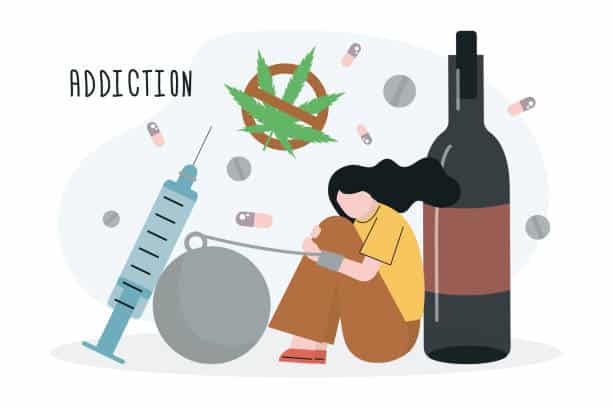
Alcohol De-addiction Centre in Nagpur
Additionally, Alcohol addiction can affect physical health, mental wellbeing, family relationships, work, finances, and everyday life. Therefore, seeking professional help at the right time can be an important step toward recovery. If you are looking for an Alcohol De-addiction Centre in Nagpur, Treat Me Multispeciality Hospital provides psychiatric assessment, psychological support, withdrawal-management care where clinically appropriate, rehabilitation support, and continuing follow-up.
Similarly Alcohol dependence can affect every person differently. Consequently, treatment should be based on an individual assessment rather than a standard approach. At Treat Me Hospital, the clinical team evaluates the patient’s alcohol use, physical health, psychological wellbeing, previous treatment history, withdrawal experiences, and other relevant factors before recommending an appropriate treatment plan.
Moreover For patients with broader substance-use concerns, you can also explore our De-Addiction Centre in Nagpur for information about addiction treatment, psychological support, withdrawal management, family counselling, and relapse-prevention care.
Alcohol De-addiction Treatment in Nagpur at Treat Me Multispeciality Hospital
Moreover,Alcohol addiction is a complex health condition that may require medical, psychiatric, psychological, and social support. Therefore, professional treatment can help patients understand the factors contributing to alcohol dependence and identify appropriate strategies for recovery.
At Treat Me Multispeciality Hospital, alcohol-related care may include:
- Psychiatric assessment
- Alcohol-use assessment
- Withdrawal-management support when clinically appropriate
- Medication management when indicated
- Psychological counselling
- Behavioural support
- Family counselling
- Relapse-prevention planning
- Lifestyle and stress-management guidance
- Continuing psychiatric and psychological follow-up
Importantly, not every patient requires the same combination of services. The treatment plan is determined according to the individual’s clinical condition, treatment history, physical health, mental health, and recovery requirements.
Expert Psychiatric and Clinical Psychology Team
Moreover, Professional alcohol addiction treatment often involves more than simply stopping alcohol consumption. In addition, patients may experience anxiety, depression, stress, relationship difficulties, cravings, behavioural changes, or other psychological concerns.
Treat Me Multispeciality Hospital has a clinical team that can assess these concerns and help determine an appropriate treatment approach.
Dr. Vikas Bhute
Consultant Psychiatrist | MBBS, DPM, MD
Dr. Vikas Bhute provides psychiatric consultation and addiction-related mental healthcare. His assessment may consider alcohol use, withdrawal concerns, associated psychological symptoms, previous treatment, and other clinical factors relevant to treatment planning.
Dr. Priti Bhute
Consultant Psychiatrist | MBBS, DPM
Dr. Priti Bhute provides psychiatric consultation and support for individuals experiencing alcohol-use and associated mental-health concerns. Treatment recommendations are based on the patient’s condition and response to care.
Kirti Upadhyay
Clinical Psychologist | M.Phil in Clinical Psychology | RCI Licensed
Kirti Upadhyay provides psychological assessment, counselling, and behavioural support. Psychological interventions may help patients understand triggers, develop healthier coping strategies, manage difficult emotions, and work toward sustainable behavioural changes.
What Is Alcohol Addiction?
Moreover, Alcohol addiction, commonly referred to clinically as Alcohol Use Disorder (AUD), is a condition in which a person may have difficulty controlling alcohol consumption despite experiencing negative consequences.
Initially, alcohol consumption may appear occasional or social. However, repeated or excessive use can gradually become a pattern that is difficult to control. Consequently, a person may continue drinking even when alcohol begins affecting health, relationships, employment, finances, or daily responsibilities.
Alcohol dependence may involve:
- Strong cravings or urges to drink
- Difficulty reducing or stopping alcohol use
- Drinking more or for longer than intended
- Increasing tolerance
- Withdrawal symptoms after reducing or stopping alcohol
- Repeated unsuccessful attempts to quit
- Continued drinking despite health or relationship problems
- Neglect of work, education, family, or personal responsibilities
- Changes in mood or behaviour
- Social withdrawal
However, symptoms vary between individuals. Therefore, professional assessment is important before deciding what type of treatment is appropriate.
Signs and Symptoms of Alcohol Addiction
Recognising alcohol-related problems early can help individuals seek professional support before the situation becomes more complicated.
Common warning signs may include:
- Drinking more frequently or in larger quantities
- Strong cravings for alcohol
- Difficulty controlling drinking
- Drinking alone or hiding alcohol consumption
- Experiencing withdrawal symptoms
- Increasing tolerance to alcohol
- Missing work or other responsibilities because of drinking
- Problems with family or personal relationships
- Continued drinking despite health concerns
- Mood changes, irritability, anxiety, or low mood
- Repeated attempts to quit without success
- Loss of interest in normal activities
As a result, If several of these signs are present, an assessment by a qualified professional can help determine whether alcohol-use treatment may be appropriate.
Common Factors Associated With Alcohol Addiction
Alcohol addiction usually develops through a combination of factors rather than a single cause. Therefore, understanding the individual’s circumstances is an important part of treatment planning.
Potential contributing factors may include:
- Long-term or heavy alcohol consumption
- Family history of substance-use problems
- Chronic stress
- Anxiety or depression
- Difficult life experiences
- Emotional trauma
- Social pressure
- Unhealthy coping mechanisms
- Low self-esteem
- Relationship difficulties
- Certain environmental influences
- Co-existing mental-health concerns
Importantly, having one or more of these factors does not automatically mean that a person will develop alcohol addiction. Each patient’s circumstances should be assessed individually.
When Should You Seek Alcohol Addiction Treatment?
Many people delay professional treatment because they believe they should be able to stop drinking on their own. However, alcohol dependence can make stopping difficult, and some withdrawal symptoms can be medically serious.
Professional help may be appropriate when:
- You repeatedly try to stop drinking but cannot
- Alcohol consumption is affecting your health
- Drinking is causing family or relationship problems
- Alcohol is affecting your work or education
- You experience cravings or withdrawal symptoms
- You require increasing amounts of alcohol to achieve the same effect
- You continue drinking despite negative consequences
- Your daily routine increasingly revolves around alcohol
Furthermore, you do not necessarily have to wait until the problem becomes severe. Early professional assessment can help patients and families understand the available options.
Alcohol Withdrawal and Detoxification
Withdrawal can occur when a person who has developed physical dependence suddenly reduces or stops alcohol consumption. Depending on the severity of dependence and the individual’s health, withdrawal can range from mild symptoms to serious medical complications.
Possible withdrawal symptoms can include:
- Trembling
- Sweating
- Anxiety
- Irritability
- Nausea
- Sleep difficulties
- Increased heart rate
- Confusion
- Seizures or other serious complications in severe cases
Therefore, people with significant alcohol dependence should not assume that suddenly stopping alcohol without medical advice is always safe.
At Treat Me Multispeciality Hospital, withdrawal-related concerns can be assessed by qualified professionals. Where clinically appropriate, medical supervision, supportive treatment, and medication management may form part of the treatment plan.
For patients with broader substance-use concerns, our De-Addiction Centre in Nagpur provides information about withdrawal management and addiction-related care.
How Alcohol De-addiction Treatment Works
Treatment varies according to the individual’s needs. Nevertheless, a professional treatment journey commonly involves several stages.
Step 1: Initial Assessment
The treating psychiatrist may discuss:
- Alcohol-use pattern
- Duration and frequency of drinking
- Previous attempts to stop
- Withdrawal experiences
- Physical health
- Mental health
- Current medications
This information helps the clinical team understand the patient’s situation.
Step 2: Individual Treatment Planning
After assessment, the treating professionals determine what type of care may be appropriate.
Depending on clinical needs, this may involve psychiatric treatment, counselling, withdrawal-management support, rehabilitation, family involvement, or continuing follow-up.
Step 3: Withdrawal Management When Required
Some individuals may require medical supervision during withdrawal. Therefore, withdrawal-management decisions should be based on clinical assessment rather than a fixed program.
Step 4: Psychological Counselling
Once immediate medical concerns are addressed, psychological support can help patients understand triggers, emotions, behaviours, and situations associated with alcohol use.
Step 5: Family Support
Family members may benefit from education and counselling so that they can understand addiction and provide appropriate support.
Step 6: Relapse Prevention and Follow-Up
Finally, continuing care can help patients identify triggers, develop healthier routines, manage stress, and respond appropriately when cravings or other challenges arise.
Psychological Counselling for Alcohol Addiction
Recovery involves more than stopping alcohol use. Therefore, psychological counselling can be an important part of treatment for many patients.
Counselling may help individuals:
- Understand alcohol-use triggers
- Recognise unhealthy behavioural patterns
- Improve emotional regulation
- Develop healthier coping strategies
- Manage stress
- Improve communication
- Strengthen motivation
- Build confidence
- Address relationship difficulties
- Prepare for high-risk situations
In addition, psychological support may be combined with psychiatric treatment when clinically appropriate.
If you are looking for broader mental-health support, you can also explore our Psychiatrist in Nagpur services
Family Counselling During Alcohol Recovery
Alcohol addiction can affect spouses, parents, children, and other family members. Consequently, recovery may benefit from appropriate family involvement.
Family counselling can help relatives:
- Understand alcohol addiction
- Recognise warning signs
- Improve communication
- Establish healthy boundaries
- Avoid enabling harmful behaviours
- Support treatment adherence
- Understand relapse risks
- Respond appropriately to recovery challenges
However, family involvement should always respect the patient’s privacy and clinical circumstances.
Relapse Prevention and Continuing Care
Recovery is an ongoing process. Therefore, completing an initial treatment program does not necessarily mean that professional support should stop.
Relapse-prevention planning may involve identifying:
- Emotional triggers
- Social triggers
- High-risk environments
- Stress-related situations
- Cravings
- Unhealthy routines
- Relationship difficulties
- Situations associated with previous drinking
Continuing care may include:
- Psychiatric follow-up
- Psychological counselling
- Medication monitoring when prescribed
- Stress-management strategies
- Lifestyle guidance
- Family support
- Recovery planning
- Regular progress assessment
As a result,A return to alcohol use does not necessarily mean that treatment has failed. Instead, it may indicate that the treatment plan needs reassessment or additional support.
Who Can Benefit From Alcohol De-addiction Treatment?
Professional assessment may be helpful for people who:
- Drink heavily or frequently
- Have difficulty controlling alcohol consumption
- Experience alcohol cravings
- Experience withdrawal symptoms
- Have repeatedly tried to stop drinking
- Continue drinking despite negative consequences
- Experience alcohol-related family problems
- Have alcohol-related work or financial difficulties
- Have co-existing anxiety, depression, or other mental-health concerns
Importantly, treatment recommendations should always be based on individual clinical assessment.
Benefits of Professional Alcohol Addiction Treatment
Professional treatment can provide structured support for individuals and families dealing with alcohol dependence.
Potential benefits include:
- Appropriate medical assessment
- Safer management of withdrawal when required
- Professional psychiatric support
- Psychological counselling
- Improved understanding of addiction
- Healthier coping strategies
- Family education
- Relapse-prevention planning
- Continuing follow-up
- Support for long-term behavioural change
As a result,Recovery outcomes can vary from person to person. Therefore, patients should avoid centres that promise guaranteed recovery or unrealistic results.
Alcohol De-addiction Centre Near Wardha Road, Nagpur
Treat Me Multispeciality Hospital is located at:
Plot No. 7, Hindustan Colony, Wardha Road, Near Sai Mandir, Nagpur, Maharashtra 440015.
Patients and families can contact the hospital to discuss consultation availability and addiction-related treatment options.
Phone: 07066044410
Email: treatmehospital@gmail.com
For routine consultations, it is advisable to confirm appointment availability before visiting.
If someone is experiencing a serious medical or psychiatric emergency, seek urgent medical attention rather than waiting for a routine appointment.
How to Choose an Alcohol De-addiction Centre in Nagpur
Choosing an appropriate treatment centre is an important decision. Therefore, patients and families should consider several factors before starting treatment.
First, check whether qualified psychiatric and psychological professionals are available. Next, understand the centre’s approach to assessment, withdrawal management, counselling, rehabilitation, and follow-up.
You should also ask about:
- Qualifications of the treating professionals
- Withdrawal-management support
- Psychological counselling
- Family counselling
- Follow-up arrangements
- Confidentiality
- Emergency arrangements
- Treatment duration
- Medication management
- Relapse-prevention support
Most importantly, choose a centre that recommends treatment according to individual clinical needs rather than making guaranteed recovery claims.
What to Expect During Your First Visit
The first consultation is primarily an opportunity to understand the patient’s condition and concerns.
The treating professional may ask about:
- Alcohol consumption
- Duration and frequency of drinking
- Previous attempts to stop
- Withdrawal symptoms
- Medical history
- Mental-health concerns
- Current medications
- Previous treatment
- Family circumstances
After the assessment, the treating professional can explain the available treatment options and recommend an appropriate next step.
Therefore, patients should be open and honest during the consultation. Accurate information helps the clinical team make better-informed treatment decisions.
Why Choose Treat Me Multispeciality Hospital?
Choosing an alcohol addiction treatment provider requires careful consideration. Treat Me Multispeciality Hospital provides access to consultant psychiatrists and an RCI-licensed clinical psychologist for addiction-related assessment and psychological support.
The treatment approach focuses on:
- Individual assessment
- Personalized treatment planning
- Psychiatric care
- Psychological counselling
- Withdrawal-management support where clinically appropriate
- Family involvement when appropriate
- Relapse-prevention planning
- Continuing follow-up
Moreover, patients and families can discuss their concerns confidentially with qualified professionals before deciding on the next step.
Alcohol Addiction Treatment and the Importance of Long-Term Support
Alcohol dependence can involve physical, psychological, behavioural, and social factors. Consequently, long-term recovery may require continued attention to lifestyle, emotional wellbeing, triggers, and support systems.
After the initial treatment phase, patients may benefit from:
- Regular follow-up
- Continued counselling
- Healthy daily routines
- Stress management
- Trigger identification
- Family support
- Relapse-prevention strategies
- Professional reassessment when concerns return
In this way, treatment becomes an ongoing recovery process rather than a single event.
Related Addiction Treatment Services
If you or a family member is dealing with a different form of substance dependence, you can explore:
- De-Addiction Centre in Nagpur – for broader addiction treatment and recovery information.
- Drug Addiction Treatment in Nagpur – for drug-related dependence and rehabilitation support.
- Addiction Psychiatrist in Nagpur – for psychiatric assessment and addiction-related mental healthcare.
- Addiction Counselling in Nagpur – for psychological and behavioural support.
- Rehabilitation Centre in Nagpur – for structured rehabilitation and continuing recovery support.
These internal links should be placed naturally within the relevant sections rather than grouped together only at the bottom of the page.
Frequently Asked Questions
An Alcohol De-addiction Centre in Nagpur provides professional assessment and treatment support for people experiencing problematic alcohol use or alcohol dependence. Depending on individual needs, treatment may involve psychiatric care, withdrawal management, counselling, rehabilitation, family support, and follow-up.
Anyone who finds it difficult to control alcohol consumption, experiences cravings or withdrawal symptoms, repeatedly tries to stop without success, or experiences health, relationship, work, or financial problems related to alcohol should consider professional assessment.
Alcohol addiction can be treated with appropriate professional care. However, treatment and recovery vary between individuals. A qualified professional can recommend an approach based on the person’s clinical needs.
Yes. Alcohol withdrawal can sometimes become medically serious, particularly in people with significant dependence. Therefore, medical assessment is important before stopping alcohol when dependence is suspected.
There is no single treatment duration that applies to everyone. The required duration depends on factors such as the severity of alcohol dependence, withdrawal symptoms, physical and mental health, treatment response, and continuing-care requirements.
Family involvement may be recommended when appropriate. Family counselling and education can help relatives understand addiction, communicate more effectively, and provide healthier support.
Patients can discuss privacy and confidentiality practices with the hospital team during consultation. Treat Me Hospital follows a professional approach to patient privacy.
The treating professional may discuss alcohol use, medical history, mental health, previous treatment, medications, withdrawal experiences, and other relevant concerns. Based on the assessment, appropriate treatment and follow-up options can then be discussed.
You can contact Treat Me Multispeciality Hospital at 07066044410 to discuss appointment availability and consultation options.
Schedule an Alcohol De-addiction Consultation in Nagpur
Taking the first step toward professional help can be difficult. However, you do not have to wait until alcohol use causes severe disruption before seeking an assessment.
Treat Me Multispeciality Hospital provides access to consultant psychiatrists and an RCI-licensed clinical psychologist for alcohol-related psychiatric assessment, psychological support, counselling, treatment planning, and follow-up.
If you are looking for an Alcohol De-addiction Centre in Nagpur, contact Treat Me Hospital to discuss your concerns and understand the appropriate treatment options.
Call 07066044410 to schedule a consultation.
Treat Me Multispeciality Hospital
Plot No. 7, Hindustan Colony, Wardha Road, Near Sai Mandir, Nagpur, Maharashtra 440015.
Take the first step toward professional alcohol addiction care and speak with a qualified healthcare professional.
Follow Us For More
- Additionally
- Furthermore
- Moreover
- Therefore
- However
- Consequently
- Similarly
- In addition
- For example
- For this reason
- As a result
- Meanwhile
- Initially
- Subsequently
- Depending on
- Importantly
- Most importantly
- Overall
- Finally
- In conclusion
- Specifically
- In particular
- Likewise
- Nevertheless
- Instead
- Thus
- Generally
- Ultimately
- Additionally, – adds another point
- Moreover, – adds supporting information
- Furthermore, – adds more detail
- However, – shows contrast
- Therefore, – shows a result
- Thus, – shows a conclusion/result
- Consequently, – shows an outcome
- For example, – gives an example
- For instance, – gives an example
- In addition, – adds information
- Meanwhile, – connects simultaneous ideas
- Similarly, – shows similarity
- Likewise, – shows similarity
- Instead, – shows an alternative
- Otherwise, – shows another possibility
- As a result, – shows an outcome
- In particular, – emphasizes a specific point
- Especially, – emphasizes importance
- First, – introduces the first point
- Next, – introduces the next point
- Finally, – introduces the last point
- Overall, – summarizes an idea