
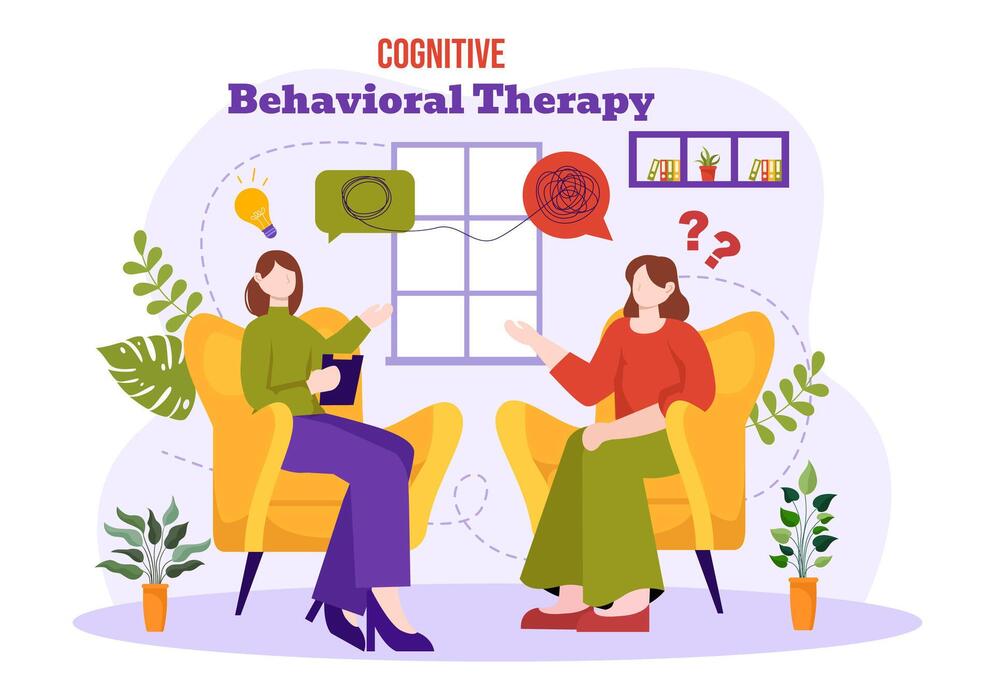
Cognitive Behavioral Therapy in Nagpur – Professional Psychological Support
The Cognitive Behavioral Therapy in Nagpur can provide structured psychological support for people who experience anxiety, depression, stress, panic, obsessive thoughts, emotional difficulties, and other mental health concerns. CBT focuses on the connection between thoughts, emotions, and behaviors. Therefore, it can help individuals understand unhelpful patterns and develop healthier ways to respond to difficult situations.
At Treat Me Multispeciality Hospital, CBT-related care can be considered as part of an individualized mental health treatment plan. A mental health professional first evaluates the person’s concerns, symptoms, daily functioning, and treatment needs. Then, the professional can discuss whether CBT, counselling, psychiatric treatment, medication, or a combination of approaches may be appropriate.
Furthermore, CBT does not follow exactly the same process for every person. The goals, techniques, session frequency, and duration can vary according to the individual’s concerns and progress. Therefore, professional assessment remains an important first step.
What Is Cognitive Behavioral Therapy?
As the Cognitive Behavioral Therapy, commonly called CBT, is a structured form of psychological therapy that focuses on the relationship between thoughts, feelings, and behaviors. The approach helps people examine patterns that may contribute to emotional distress or difficulties in everyday life.
For example, a person who frequently expects the worst outcome may experience increased anxiety and avoid situations that feel uncomfortable. However, avoidance can sometimes maintain fear over time. CBT can help the person recognize this pattern and work toward more balanced thinking and healthier behavioral responses.
Similarly, someone experiencing depression may develop patterns of self-criticism, withdrawal, or reduced activity. CBT can help the person examine these patterns and gradually develop more constructive responses.
Therefore, CBT does not simply encourage people to “think positively.” Instead, it helps individuals examine their thoughts realistically, understand their emotions, and make purposeful behavioral changes.
How Cognitive Behavioral Therapy Works
The CBT usually begins with an assessment of the person’s concerns and treatment goals. During the sessions, the therapist and patient can identify thoughts, emotions, behaviors, and situations that contribute to distress.
Next, the therapist may introduce practical strategies based on the person’s needs. These strategies can include identifying unhelpful thinking patterns, developing alternative ways to interpret situations, improving coping skills, managing avoidance, and practicing healthier behaviors.
In addition, some CBT approaches involve structured activities between sessions. These activities may help individuals apply the skills they discuss during therapy to situations in everyday life.
Progress can then be reviewed during subsequent sessions. If a particular strategy does not provide enough support, the therapist can adjust the approach.
Importantly, CBT works as a collaborative process. The patient participates actively, discusses difficulties openly, practices relevant skills, and works with the therapist toward agreed treatment goals.
Who Can Benefit From CBT?
CBT may benefit people who experience a range of emotional and psychological concerns. However, suitability depends on the individual’s symptoms, circumstances, treatment goals, and professional assessment.
People may consider CBT when they experience persistent anxiety, low mood, excessive worry, panic symptoms, obsessive thoughts, stress, emotional difficulties, sleep-related concerns, or behavioral patterns that interfere with daily life.
Furthermore, CBT can help people develop practical coping strategies for difficult situations. It may also support individuals who want to understand how their thoughts and behaviors influence their emotional responses.
However, CBT does not suit every person or every situation in the same way. Some individuals may require psychiatric assessment, medication, other psychological therapies, medical evaluation, or coordinated care.
Therefore, a qualified mental health professional should assess the person’s needs before recommending a specific therapeutic approach.
CBT for Anxiety
Anxiety can involve persistent worry, fear, restlessness, difficulty concentrating, avoidance, sleep problems, and physical symptoms. When anxiety begins to interfere with daily activities, relationships, work, or studies, professional support can become important.
CBT can help individuals understand how thoughts, feelings, physical sensations, and behaviors interact during anxious situations. For example, a person may interpret a situation as highly threatening, experience intense fear, and then avoid that situation. Over time, this pattern can reinforce anxiety.
Therefore, CBT may focus on identifying unhelpful interpretations and developing healthier responses. Depending on the person’s needs, therapy may also address avoidance and gradual exposure to feared situations.
However, anxiety symptoms can have different causes. Consequently, a professional assessment can help determine whether CBT alone is appropriate or whether psychiatric treatment or additional support may be useful.
CBT for Depression
The Depression can affect mood, motivation, sleep, concentration, appetite, relationships, work, studies, and interest in everyday activities. In addition, some people experience strong self-criticism, hopelessness, guilt, or withdrawal.
CBT can help individuals identify thinking and behavioral patterns that may contribute to low mood. For example, someone may withdraw from activities because they feel unmotivated. However, reduced activity can further decrease opportunities for positive experiences.
Therefore, CBT may include structured behavioral strategies alongside work on unhelpful thinking patterns. The therapist can help the individual set realistic goals and gradually increase meaningful activities.
However, depression varies in severity. People with severe symptoms, significant functional impairment, or thoughts of self-harm may require psychiatric assessment and additional treatment.
If someone experiences suicidal thoughts or immediate safety concerns, they should seek urgent professional help rather than relying on routine therapy alone.
CBT for Stress
As the Stress can develop because of work pressure, academic demands, financial concerns, relationship difficulties, family responsibilities, health problems, or major life changes.
Short-term stress can occur as part of everyday life. However, prolonged or intense stress may affect sleep, concentration, mood, relationships, and physical well-being.Cognitive Behavioral Therapy In Nagpur
CBT can help individuals understand how they respond to stressful situations. During therapy, they may identify unhelpful thought patterns, unrealistic expectations, avoidance behaviors, or habits that increase emotional pressure.
Furthermore, therapy can support practical coping strategies, problem-solving, communication skills, and healthier behavioral routines.
However, persistent stress can sometimes occur alongside anxiety, depression, burnout, substance use, or other mental health concerns. Therefore, professional assessment can help identify whether broader psychological or psychiatric care may be appropriate.
CBT for Obsessive-Compulsive Disorder
As the Obsessive-Compulsive Disorder, or OCD, can involve unwanted intrusive thoughts, images, or urges along with repetitive behaviors or mental rituals.
CBT for OCD often uses specialized techniques. Exposure and Response Prevention, commonly called ERP, can form an important part of evidence-based treatment for many people with OCD.
During treatment, a trained professional can help the individual gradually face relevant fears or triggers while working on reducing compulsive responses. The process should remain structured and appropriate to the person’s circumstances.
However, OCD can vary considerably between individuals. Therefore, treatment should follow a professional assessment rather than a generic self-help approach.
People with severe OCD symptoms may also require psychiatric assessment and, where clinically appropriate, medication alongside psychological therapy.
CBT Techniques Used in Therapy
As the CBT includes several techniques, and the therapist selects them according to the person’s needs. Therefore, not every individual will use every CBT technique.
One common approach involves identifying automatic thoughts. These thoughts can arise quickly in response to situations and may influence emotions and behavior.
Another technique involves examining thinking patterns and considering whether an interpretation accurately reflects the available evidence. The goal does not involve forcing positive thoughts. Instead, the process encourages more balanced and realistic thinking.
Behavioral strategies can also form an important part of CBT. These may include gradually approaching avoided situations, increasing meaningful activities, practicing problem-solving, or developing healthier routines.
Furthermore, therapists may use homework or structured exercises between sessions. These activities can help individuals practice skills outside the therapy room.Cognitive Behavioral Therapy In Nagpur
The exact techniques depend on the person’s concerns, treatment goals, age, and clinical needs.
What Happens During a CBT Session?
A CBT session usually follows a structured approach, although the exact format can vary. The therapist may begin by reviewing the person’s current concerns and discussing progress since the previous session.
Next, the therapist and patient can identify a specific situation or problem to work on. They may examine the person’s thoughts, emotions, physical sensations, and behaviors connected with that situation.
The therapist can then introduce a relevant CBT strategy and explain how the individual can practice it.
Furthermore, the patient can discuss questions, difficulties, or concerns about the technique. The therapist can adjust the approach when necessary.
Some sessions may also include agreed activities to practice between appointments. These activities can help transfer therapeutic skills into everyday life.
Because CBT often involves active participation, patients should feel comfortable discussing what they find useful or difficult. This collaborative process can help keep therapy focused on meaningful goals.
How Long Does CBT Take?
The duration of CBT varies from person to person. Some people may benefit from a relatively structured short-term course, while others may need longer support because of the complexity or persistence of their concerns.
The number and frequency of sessions can depend on the condition, symptom severity, treatment goals, progress, and the individual’s circumstances.
Therefore, it is not appropriate to promise a fixed number of sessions or a specific outcome for everyone.
During the initial assessment, the mental health professional can discuss the likely treatment approach and explain how progress will be reviewed.
Furthermore, follow-up appointments can help determine whether the current approach remains suitable. If necessary, the clinician can modify the treatment plan or consider additional support.
CBT vs Counselling
The CBT and counselling can both provide psychological support, but they do not always follow the same structure.Cognitive Behavioral Therapy In Nagpur
Traditional counselling may provide a supportive environment where individuals discuss emotions, experiences, relationships, and difficult situations. Depending on the approach, counselling can help people understand their concerns and develop ways to manage them.
CBT, on the other hand, usually follows a more structured framework. It focuses specifically on relationships between thoughts, emotions, and behaviors and often includes practical exercises.
However, the terms can overlap in everyday use. Therefore, the most appropriate approach depends on the person’s concerns, treatment goals, and professional assessment.
A mental health professional can explain which form of psychological support may be suitable for an individual.
CBT vs Medication
As the CBT and medication serve different roles in mental health care. CBT provides psychological strategies and structured therapeutic support, while medication can address symptoms through prescribed medical treatment when clinically appropriate.
Some people may benefit from psychological therapy alone. Others may require medication, while some may benefit from both approaches.
Therefore, people should not stop, start, or change psychiatric medication without discussing it with their treating clinician.
The appropriate treatment plan depends on the person’s diagnosis, symptoms, medical history, preferences, previous treatment, and overall circumstances.
Personalized Cognitive Behavioral Therapy in Nagpur
Mental health treatment should reflect the individual rather than follow a fixed formula. Therefore, the first step involves understanding the person’s concerns, symptoms, history, functioning, and goals.
At Treat Me Multispeciality Hospital, mental health professionals can assess the individual’s needs and discuss appropriate treatment options.
Depending on the situation, the treatment plan may include CBT, psychological counselling, psychiatric consultation, medication when clinically appropriate, or coordinated care.
Furthermore, follow-up can help the professional monitor progress and address new concerns. The treatment approach can then be adjusted when necessary.
This individualized approach allows patients to receive support that reflects their specific circumstances instead of relying on generalized advice.
Benefits of Cognitive Behavioral Therapy
CBT can provide several practical benefits when it suits the individual’s needs. First, it can help people understand connections between thoughts, emotions, and behaviors.
Second, it can provide structured strategies for managing specific psychological difficulties. For example, therapy may address excessive worry, avoidance, self-critical thinking, emotional reactions, or unhelpful behavioral patterns.
Third, CBT often encourages active participation. Therefore, individuals can practice relevant skills between sessions and apply them to everyday situations.
In addition, CBT can help people recognize patterns that may maintain emotional distress. With professional guidance, they can work toward healthier responses.
However, CBT does not guarantee the same results for everyone. Progress can depend on the person’s condition, engagement, treatment plan, circumstances, and other factors.
When Should You Consider CBT?
Consider professional psychological support when emotional or behavioral concerns persist or interfere with everyday life.
For example, you may consider an assessment if you experience ongoing anxiety, persistent low mood, frequent panic symptoms, intrusive thoughts, excessive worry, emotional difficulties, sleep problems, or stress that becomes difficult to manage.
Similarly, professional support may become useful when you avoid important activities, struggle with relationships, experience repeated negative thought patterns, or find it difficult to cope with everyday responsibilities.
However, you do not need to wait until symptoms become severe before seeking help. Early professional assessment can help clarify the concern and identify appropriate options.
If you experience thoughts of suicide, serious self-harm, severe confusion, hallucinations, or an immediate risk of harm, seek urgent medical or emergency assistance instead of waiting for a routine CBT appointment.
Psychiatric and Psychological Support at Treat Me Multispeciality Hospital
Treat Me Multispeciality Hospital provides access to mental health professionals who can assess emotional, psychological, and psychiatric concerns.
The mental health team includes consultant psychiatrists and a clinical psychologist. Therefore, patients can discuss their concerns and receive guidance about appropriate mental health services.
Dr. Vikas Bhute – Consultant Psychiatrist
Qualifications: MBBS, DPM, MD
Dr. Vikas Bhute provides psychiatric consultation and can assess mental health concerns as part of an individualized treatment plan.
Dr. Priti Bhute – Consultant Psychiatrist
Qualifications: MBBS, DPM
Dr. Priti Bhute provides psychiatric consultation and support for individuals experiencing emotional, behavioral, and mental health concerns.
Kirti Upadhyay – Clinical Psychologist
Qualification: M.Phil in Clinical Psychology | RCI Licensed
Kirti Upadhyay provides psychological assessment, counselling, and therapy-based support according to individual needs.
Cognitive Behavioral Therapy in Nagpur Near Wardha Road
Treat Me Multispeciality Hospital is located at:
Plot No. 7, Hindustan Colony, Wardha Road, Near Sai Mandir, Nagpur, Maharashtra – 440015
If you are searching for Cognitive Behavioral Therapy in Nagpur near Wardha Road, you can contact the hospital to discuss your concerns and enquire about an appointment.
Phone: 07066044410
Email: treatmehospital@gmail.com
A professional assessment can help determine whether CBT or another form of mental health support is appropriate for your situation.
For an urgent psychiatric or medical emergency, seek immediate emergency care rather than waiting for a routine appointment.
Related Mental Health Services
You can also explore related mental health services offered or covered by Treat Me Multispeciality Hospital. These pages can help visitors understand different treatment and assessment options.
- Psychiatrist in Nagpur
- Psychiatric Counselling in Nagpur
- Psychiatric Evaluation in Nagpur
- Depression Treatment in Nagpur
- Anxiety Disorder Treatment in Nagpur
- OCD Treatment in Nagpur
- Stress Management in Nagpur
- Child Psychiatrist in Nagpur
- ADHD Specialist in Nagpur
- De-Addiction Centre in Nagpur
These internal links can also improve website navigation and help visitors find information that matches their concerns.
Frequently Asked Questions About Cognitive Behavioral Therapy
Cognitive Behavioral Therapy is a structured psychological therapy that focuses on the relationship between thoughts, emotions, and behaviors. It helps people identify unhelpful patterns and develop healthier responses.
CBT can support people experiencing concerns such as anxiety, depression, panic, OCD, stress, emotional difficulties, and certain behavioral concerns. Suitability depends on professional assessment.
Yes. CBT can help individuals understand anxiety patterns, examine unhelpful interpretations, and develop healthier behavioral responses. Treatment should follow an appropriate assessment.
CBT can support people with depression by addressing unhelpful thinking patterns and behavioral changes. However, people with severe depression may need broader psychiatric care.
CBT can help people understand the relationship between panic symptoms, thoughts, fear, and avoidance. However, new or severe physical symptoms should receive appropriate medical evaluation.
CBT can be adapted for children and teenagers when appropriate. The therapist should consider the child’s age, developmental level, symptoms, family environment, and individual needs.
No. CBT usually follows a more structured approach focused on thoughts, emotions, and behaviors. Counselling can use different approaches depending on the person’s concerns.
Neither approach is automatically better for everyone. Some people may benefit from therapy, some from medication, and others from a combination. A professional can recommend an appropriate approach.
There is no single number that works for everyone. Session duration and frequency depend on the person’s concerns, treatment goals, progress, and clinical needs.
The first session may involve discussing your concerns, symptoms, history, daily functioning, treatment goals, and relevant circumstances. The therapist can then explain the proposed treatment approach.
Some CBT programs include structured activities between sessions. These exercises can help individuals practice skills in everyday situations.
Yes. Depending on the person’s needs, CBT may form part of a broader treatment plan that includes psychiatric consultation or medication.
Feeling nervous before therapy is common. You can tell the therapist how you feel, and they can explain the process and guide the discussion at a comfortable pace.
Seek urgent help when someone faces immediate danger, has serious self-harm or suicidal thoughts, experiences severe confusion or hallucinations, or displays extremely unsafe behavior.
Book a CBT Consultation in Nagpur
Taking the first step toward mental health support can feel difficult. However, professional guidance can help you understand your concerns and explore suitable treatment options.
At Treat Me Multispeciality Hospital, mental health professionals provide psychiatric assessment, psychological support, counselling, and therapy-based care according to individual needs.
If you are looking for Cognitive Behavioral Therapy in Nagpur, contact the hospital to discuss your concerns and enquire about an appointment.
Treat Me Multispeciality Hospital
Plot No. 7, Hindustan Colony, Wardha Road, Near Sai Mandir, Nagpur, Maharashtra – 440015
Phone: 07066044410
Email: treatmehospital@gmail.com
Medical Disclaimer
This page provides general educational information and does not replace professional medical advice, diagnosis, or treatment. CBT may not be suitable for every individual or every mental health concern. A qualified professional should assess your symptoms and circumstances before treatment begins.
If you experience a serious mental health emergency or immediate safety risk, seek urgent medical assistance.