
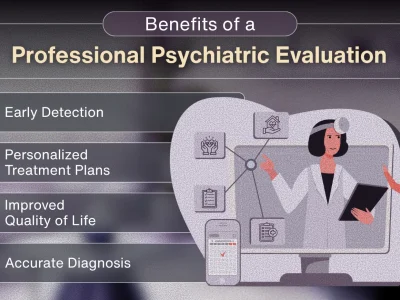
Psychiatric Evaluation in Nagpur – Professional Mental Health Assessment
Psychiatric Evaluation in Nagpur provides a structured way to understand emotional, behavioral, and psychological concerns. People may seek an evaluation when changes in mood, thoughts, behavior, sleep, concentration, or daily functioning become difficult to manage. Therefore, a professional assessment can help clarify the concerns and identify appropriate next steps.
At Treat Me Multispeciality Hospital, the mental health team assesses each person’s symptoms, personal history, medical background, daily functioning, and current circumstances. Furthermore, the evaluation considers how mental health concerns affect relationships, work, studies, sleep, and everyday activities.
Depending on the assessment, the clinician may recommend psychiatric treatment, psychological counselling, therapy, medication when clinically appropriate, follow-up care, or referral to another healthcare professional. However, every person’s needs differ. Therefore, treatment should follow an individualized clinical assessment rather than a fixed approach.
Psychiatric Evaluation Team at Treat Me Multispeciality Hospital
Treat Me Multispeciality Hospital provides access to consultant psychiatrists and a clinical psychologist for mental health assessment and support. Consequently, patients can discuss emotional, behavioral, and psychological concerns with qualified professionals.
Dr. Vikas Bhute – Consultant Psychiatrist
Qualifications: MBBS, DPM, MD
Dr. Vikas Bhute provides psychiatric consultation and assessment for people experiencing mental health concerns. During an evaluation, he can review symptoms, personal history, medical factors, current treatment, and daily functioning. Furthermore, he can discuss appropriate treatment and follow-up options according to the patient’s needs.
Dr. Priti Bhute – Consultant Psychiatrist
Qualifications: MBBS, DPM
Dr. Priti Bhute provides psychiatric consultation for individuals experiencing emotional, behavioral, and psychological difficulties. Depending on the assessment, she can discuss suitable treatment options and continuing mental health support.
Kirti Upadhyay – Clinical Psychologist
Qualification: M.Phil in Clinical Psychology | RCI Licensed
Kirti Upadhyay provides psychological assessment, counselling, and therapy-based support. Therefore, patients can receive professional psychological support for emotional difficulties, coping concerns, behavioral challenges, and other mental health needs.
What Is a Psychiatric Evaluation?
A psychiatric evaluation is a clinical assessment that helps a mental health professional understand a person’s emotional, psychological, and behavioral concerns. The assessment does not focus only on one symptom. Instead, the clinician considers several factors that may influence the person’s mental health.
During the evaluation, the psychiatrist may discuss current symptoms, when they started, how often they occur, and how they affect daily life. In addition, the clinician may ask about sleep, appetite, mood, anxiety, concentration, energy, relationships, work, studies, and other relevant areas.
The psychiatrist may also review medical history, previous mental health treatment, current medications, substance use, family history, and significant life events when relevant.
Therefore, a psychiatric evaluation provides a broader understanding of the person’s current situation. After the assessment, the clinician can explain the findings and discuss appropriate next steps. Psychiatric Evaluation In Nagpur
Why Is Psychiatric Evaluation Important?
Mental health concerns can affect several areas of life at the same time. For example, anxiety may affect sleep and concentration, while depression may affect motivation, relationships, and work. However, similar symptoms can occur in different conditions.
Therefore, a detailed psychiatric evaluation can help a clinician distinguish between possible explanations for a person’s symptoms. The assessment also helps identify factors that may contribute to or worsen the concern.
Furthermore, an evaluation can help determine whether the person may benefit from counselling, psychological therapy, psychiatric treatment, medication, or additional medical assessment. Psychiatric Evaluation In Nagpur
Importantly, an evaluation does not automatically mean that a person will receive a psychiatric diagnosis or medication. Instead, the clinician uses the available information to understand the person’s needs and discuss appropriate options.
As a result, professional assessment
When Should You Consider ?
You may consider a psychiatric evaluation when emotional or behavioral changes persist, become difficult to manage, or interfere with everyday life.
For example, professional assessment may help when you experience persistent sadness, excessive worry, frequent panic symptoms, significant mood changes, unusual behavior, sleep difficulties, reduced concentration, loss of interest, or ongoing emotional distress. Psychiatric Evaluation In Nagpur
Similarly, an evaluation may become useful when mental health concerns affect your work, studies, relationships, family life, social activities, or ability to manage daily responsibilities.
You do not need to wait until symptoms become severe before seeking professional guidance. Instead, an early consultation can help you understand what you are experiencing and determine whether further treatment is appropriate.
However, urgent symptoms require urgent care. If you or someone else faces an immediate risk of harm, seek emergency medical or psychiatric assistance rather than waiting for a routine evaluation.
What Happens During a Psychiatric Evaluation?
A psychiatric evaluation usually begins with a conversation about the person’s main concerns. The psychiatrist may ask what symptoms you have noticed, when they began, how they have changed, and how they affect your daily life.
Next, the clinician may explore mood, anxiety, sleep, appetite, concentration, energy, behavior, relationships, and other relevant areas. Furthermore, the psychiatrist may ask about medical conditions, previous treatment, current medications, family history, and substance use when appropriate.
The clinician may also consider how the person’s concerns affect work, education, family responsibilities, and social functioning.
After gathering the relevant information, the psychiatrist can discuss possible clinical concerns and explain appropriate treatment options.
Depending on the situation, the next step may involve psychiatric follow-up, psychological counselling, structured therapy, medication, medical evaluation, or a combination of approaches.
Therefore, the first appointment provides an opportunity to understand the person’s needs and establish an appropriate care plan.
What Questions Are Asked During a Psychiatric Evaluation?
The questions vary according to the person’s concerns. However, the psychiatrist may ask about symptoms, emotional experiences, behavior, sleep, appetite, concentration, relationships, and daily functioning.
For example, the clinician may ask when the symptoms started, whether they occur every day, what situations make them better or worse, and how they affect normal activities.
The psychiatrist may also ask about previous mental health treatment, current medications, medical conditions, family history, substance use, and significant life events.
In addition, the clinician may ask about safety, including thoughts of self-harm or suicide when relevant. These questions help the professional assess the level of support required.
You do not need to prepare perfect answers. Instead, try to describe your experiences honestly and as clearly as possible. You can also bring a list of current medications or previous treatment information if availabl
Psychiatric Evaluation for Anxiety
Anxiety can involve persistent worry, fear, restlessness, difficulty concentrating, irritability, sleep problems, and physical symptoms. However, anxiety symptoms can occur in several situations and may have different causes.
Therefore, psychiatric assessment can help the clinician understand the nature, severity, duration, and impact of the symptoms.
During the evaluation, the psychiatrist may explore situations that trigger anxiety, patterns of avoidance, physical symptoms, sleep, stress, previous episodes, and the effect on daily activities.
Depending on the assessment, treatment may involve psychological therapy, counselling, psychiatric care, medication when clinically appropriate, or a combination of approaches.
Furthermore, the clinician can review progress during follow-up appointments and modify the treatment plan when necessary.
If anxiety symptoms include severe physical symptoms such as chest pain, significant breathing difficulty, fainting, or other concerning signs, appropriate medical assessment may also be necessary because physical conditions can sometimes produce similar symptoms.
Depression
Depression can affect mood, motivation, sleep, appetite, concentration, energy, relationships, and interest in everyday activities. However, not everyone experiences depression in exactly the same way.
Some people may mainly notice low mood, while others may experience fatigue, irritability, withdrawal, hopelessness, guilt, or reduced motivation.
Therefore, a psychiatric evaluation considers more than sadness alone. The clinician may discuss the duration of symptoms, changes in daily functioning, sleep, appetite, concentration, energy, previous episodes, medical factors, and relevant personal circumstances. Psychiatric Evaluation In Nagpur
The psychiatrist may also assess safety when appropriate, particularly if the person reports hopelessness or thoughts of self-harm.
Depending on the findings, treatment may include psychological therapy, counselling, psychiatric care, medication, or combined treatment.
If someone experiences suicidal thoughts or an immediate safety risk, they should seek urgent professional help rather than wait for a routine appointment.
for Mood Changes
Significant mood changes can involve persistent sadness, irritability, unusually elevated or activated mood, rapid emotional shifts, or changes in energy and behavior.
However, mood changes can occur for different reasons. Therefore, a psychiatric evaluation can help the clinician understand the pattern and context of these changes.
During assessment, the psychiatrist may ask about sleep, energy, activity levels, impulsive behavior, concentration, irritability, emotional changes, previous episodes, medical history, medications, and family history.
Furthermore, the clinician considers how mood changes affect relationships, work, studies, finances, and other areas of daily functioning.
This information can help guide the next steps. Depending on the person’s symptoms, treatment may include psychiatric follow-up, psychological therapy, medication when appropriate, or additional evaluation.
Panic Symptoms
Panic symptoms can involve sudden fear, a racing heartbeat, sweating, trembling, dizziness, breathlessness, chest discomfort, or a strong feeling of danger.
Because these symptoms can resemble some medical conditions, people should not automatically assume that every episode represents a panic attack. Therefore, appropriate medical evaluation may be important, especially when symptoms are new, severe, or unusual.
When panic symptoms form part of an anxiety-related condition, psychiatric assessment can help identify triggers, frequency, avoidance patterns, associated anxiety, and the effect on daily life.
The clinician can then discuss appropriate treatment options, which may include psychological therapy, psychiatric care, medication when indicated, or combined support.
Psychiatric Evaluation for OCD
Obsessive-Compulsive Disorder, commonly called OCD, can involve unwanted intrusive thoughts, images, or urges and repetitive behaviors or mental rituals.
A psychiatric evaluation can help distinguish OCD symptoms from other forms of anxiety or repetitive behavior. The clinician may ask about the nature of intrusive thoughts, compulsions, time spent on rituals, distress, avoidance, and interference with everyday activities.
Furthermore, the assessment can identify other concerns that may occur alongside OCD.
Depending on the clinical picture, treatment may involve psychological therapy such as Cognitive Behavioral Therapy with Exposure and Response Prevention, psychiatric treatment, medication when appropriate, or combined care. Psychiatric Evaluation In Nagpur
Therefore, professional assessment remains an important first step before selecting a treatment approach.
Psychiatric Evaluation for Sleep Problems
Sleep difficulties can include trouble falling asleep, frequent waking, early waking, irregular sleep patterns, or excessive daytime sleepiness.
Although sleep problems can occur alongside anxiety or depression, they can also have medical, lifestyle, medication-related, or sleep-specific causes.
Therefore, a psychiatric evaluation may explore sleep patterns alongside mood, anxiety, stress, medications, substance use, daily routines, and other relevant factors.
The clinician can then determine whether the sleep concern may relate to a mental health condition or whether additional medical or sleep-focused assessment may be useful.
Depending on the findings, treatment may include behavioral strategies, psychological therapy, psychiatric care, medication when appropriate, or referral for additional evaluation.
Addiction-Related Concerns
Substance use can affect mood, behavior, relationships, sleep, physical health, and daily functioning. In addition, some people experience anxiety, depression, or other mental health concerns alongside substance use.
Therefore, psychiatric assessment can help identify the nature of the substance-use problem and any associated mental health concerns.
The psychiatrist may ask about the substance used, frequency and amount of use, cravings, withdrawal experiences, previous attempts to stop, other medications, medical history, and effects on daily life.
Depending on the assessment, care may involve psychiatric treatment, psychological counselling, withdrawal-management support where clinically appropriate, rehabilitation planning, family guidance, and follow-up care.
People who have developed dependence should not assume that suddenly stopping a substance is always safe. Some forms of withdrawal can become medically serious and require professional management.
Psychiatric Evaluation for Children and Teenagers
Children and teenagers can experience anxiety, low mood, behavioral changes, school-related stress, attention difficulties, social concerns, sleep problems, and other emotional challenges.
However, young people may express distress differently from adults. Therefore, psychiatric assessment should consider age, developmental stage, family circumstances, school experiences, social relationships, and the child’s or teenager’s own perspective.
Parents or caregivers can provide useful information about changes in behavior, sleep, school performance, relationships, and daily routines. At the same time, clinicians may communicate directly with the young person in an age-appropriate manner.
Furthermore, the assessment can help determine whether the concern may require psychiatric treatment, psychological therapy, educational support, family guidance, or additional evaluation.
If a child or teenager expresses suicidal thoughts, self-harm thoughts, or an immediate safety concern, seek urgent professional assistance.
Psychiatric Evaluation and Psychological Assessment
Psychiatric evaluation and psychological assessment can overlap, but they serve different professional purposes.
A psychiatrist is a medical doctor who specializes in mental health. Therefore, psychiatrists can assess psychiatric conditions, consider medical factors, prescribe medication when clinically appropriate, and provide psychiatric treatment.
A clinical psychologist focuses on psychological assessment and psychological interventions. These may include structured psychological testing, counselling, and therapy.
However, some people benefit from both forms of assessment. For example, a psychiatrist may evaluate a person’s overall mental health while a clinical psychologist provides psychological assessment or therapy.
Therefore, the most suitable professional depends on the person’s symptoms, concerns, and treatment needs.
Psychiatric Evaluation vs Psychiatric Counselling
A psychiatric evaluation focuses primarily on understanding a person’s symptoms, history, functioning, and possible clinical concerns. It helps the psychiatrist determine appropriate next steps.
Psychiatric counselling, on the other hand, focuses more on supportive discussion, emotional concerns, coping strategies, and ongoing psychological support. Psychiatric Evaluation In Nagpur
However, these services can form part of the same overall mental healthcare plan. A person may first undergo an evaluation and then receive counselling, therapy, medication, or another appropriate intervention.
Therefore, people should not assume that evaluation and counselling are interchangeable. A professional can recommend the most suitable service after understanding the person’s needs.
Does a Psychiatric Evaluation Always Lead to Medication?
No. A psychiatric evaluation does not automatically mean that medication will be prescribed.
The psychiatrist first considers the person’s symptoms, clinical history, medical factors, functioning, preferences, previous treatment, and overall circumstances.
Depending on the findings, the recommended approach may involve psychological therapy, counselling, lifestyle support, psychiatric follow-up, medication when clinically appropriate, or a combination of these options.
Furthermore, medication decisions require individualized clinical judgment. Patients should discuss potential benefits, risks, side effects, and alternatives with their treating professional.
Therefore, the purpose of an evaluation is to understand the person’s needs and discuss appropriate care, rather than automatically prescribe medication.
What Should You Bring to Evaluation?
You do not need to bring extensive documents for every appointment. However, certain information can make the consultation more useful.
If available, consider bringing a list of current medications, previous psychiatric prescriptions, relevant medical reports, previous treatment information, and details of significant health conditions.
It can also help to note when your main symptoms started and any major changes in sleep, mood, behavior, appetite, concentration, or daily functioning.
For children and teenagers, parents or caregivers can bring relevant school or developmental information when appropriate.
Most importantly, be open about your symptoms and concerns. Honest information allows the clinician to develop a clearer understanding of your situation.
Follow-Up After Psychiatric Evaluation
A psychiatric evaluation often provides the starting point for continuing mental healthcare. Therefore, follow-up can help the clinician monitor symptoms and determine whether the treatment plan remains appropriate.
During follow-up appointments, the psychiatrist may review mood, anxiety, sleep, behavior, daily functioning, treatment response, medication effects when applicable, and new concerns.
Furthermore, patients can discuss difficulties they experience during treatment. The clinician can then modify the care plan when clinically appropriate.
Some people may need short-term follow-up, while others may benefit from longer-term monitoring. The frequency depends on the person’s condition, treatment, progress, and individual needs.
Personalized Mental Health Care After Evaluation
Every person’s mental health experience differs. Therefore, treatment should reflect the individual’s symptoms, history, circumstances, and goals.
After a psychiatric evaluation, the clinician can discuss suitable treatment options based on the assessment. These may include psychiatric care, psychological therapy, counselling, medication when clinically appropriate, lifestyle guidance, addiction-related support, or referral to another healthcare professional.
Furthermore, treatment plans can change as symptoms and circumstances change.
This individualized approach helps ensure that the patient receives care based on their actual needs rather than a generic treatment plan.
Why Choose Treat Me Multispeciality Hospital ?
Choosing a mental health service involves several factors. Therefore, patients should consider professional qualifications, the assessment process, privacy, follow-up arrangements, and access to appropriate treatment.
Treat Me Multispeciality Hospital provides access to consultant psychiatrists and a clinical psychologist for mental health assessment and support. Psychiatric Evaluation In Nagpur
The team can assess emotional, behavioral, psychological, and psychiatric concerns and discuss appropriate next steps.
Furthermore, patients can receive information about counselling, psychological therapy, psychiatric treatment, medication when clinically appropriate, and continuing care according to their individual needs.
Most importantly, treatment decisions should follow professional assessment and should not rely on promises of guaranteed outcomes.
Psychiatric Evaluation in Nagpur Near Wardha Road
Treat Me Multispeciality Hospital is located at:
Plot No. 7, Hindustan Colony, Wardha Road, Near Sai Mandir, Nagpur, Maharashtra – 440015
If you are searching for Psychiatric Evaluation in Nagpur near Wardha Road, you can contact the hospital to discuss your concerns and enquire about an appointment.
Phone: 07066044410
Email: treatmehospital@gmail.com
For routine consultations, confirm appointment availability before visiting.
If you or someone else faces an urgent psychiatric or medical emergency, seek immediate emergency care rather than waiting for a routine consultation.
Related Mental Health Services
You can also explore related mental health services offered or covered by Treat Me Multispeciality Hospital. These pages can help visitors understand different treatment and assessment options.
- Psychiatrist in Nagpur
- Psychiatric Counselling in Nagpur
- Psychiatric Evaluation in Nagpur
- Depression Treatment in Nagpur
- Anxiety Disorder Treatment in Nagpur
- OCD Treatment in Nagpur
- Stress Management in Nagpur
- Child Psychiatrist in Nagpur
- ADHD Specialist in Nagpur
- De-Addiction Centre in Nagpur
These internal links can also improve website navigation and help visitors find information that matches their concerns
Frequently Asked Questions About Cognitive Behavioral Therapy
Cognitive Behavioral Therapy is a structured psychological therapy that focuses on the relationship between thoughts, emotions, and behaviors. It helps people identify unhelpful patterns and develop healthier responses.
CBT can support people experiencing concerns such as anxiety, depression, panic, OCD, stress, emotional difficulties, and certain behavioral concerns. Suitability depends on professional assessment.
Yes. CBT can help individuals understand anxiety patterns, examine unhelpful interpretations, and develop healthier behavioral responses. Treatment should follow an appropriate assessment.
CBT can support people with depression by addressing unhelpful thinking patterns and behavioral changes. However, people with severe depression may need broader psychiatric care.
Neither approach is automatically better for everyone. Some people may benefit from therapy, some from medication, and others from a combination. A professional can recommend an appropriate approach.
The first session may involve discussing your concerns, symptoms, history, daily functioning, treatment goals, and relevant circumstances. The therapist can then explain the proposed treatment approach.
CBT-based approaches can help when thoughts and behaviors contribute to sleep difficulties. However, persistent sleep problems may require broader assessment.
Yes. Depending on the person’s needs, CBT may form part of a broader treatment plan that includes psychiatric consultation or medication.
Feeling nervous before therapy is common. You can tell the therapist how you feel, and they can explain the process and guide the discussion at a comfortable pace.
Seek urgent help when someone faces immediate danger, has serious self-harm or suicidal thoughts, experiences severe confusion or hallucinations, or displays extremely unsafe behavior.
Book a CBT Consultation in Nagpur
Taking the first step toward mental health support can feel difficult. However, professional guidance can help you understand your concerns and explore suitable treatment options.
At Treat Me Multispeciality Hospital, mental health professionals provide psychiatric assessment, psychological support, counselling, and therapy-based care according to individual needs.
If you are looking for Cognitive Behavioral Therapy in Nagpur, contact the hospital to discuss your concerns and enquire about an appointment.
Treat Me Multispeciality Hospital
Plot No. 7, Hindustan Colony, Wardha Road, Near Sai Mandir, Nagpur, Maharashtra – 440015
Phone: 07066044410
Email: treatmehospital@gmail.com
Medical Disclaimer
This page provides general educational information and does not replace professional medical advice, diagnosis, or treatment. CBT may not be suitable for every individual or every mental health concern. A qualified professional should assess your symptoms and circumstances before treatment begins.
If you experience a serious mental health emergency or immediate safety risk, seek urgent medical assistance.