
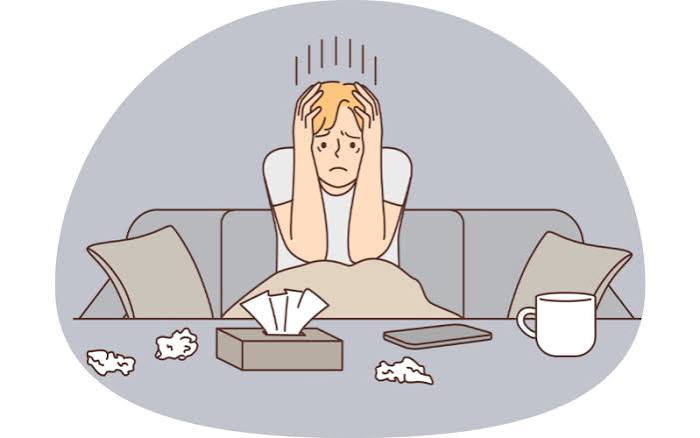
Depression Treatment In Rewa | Personalized Care For Emotional Wellness At Treat Me Multispeciality Hospital
If you are searching for Depression Treatment in Rewa, Treat Me Multispeciality Hospital provides psychiatric assessment, individualized treatment planning, psychological support, counselling, medication management when clinically indicated, and continuing follow-up.
Because depression affects each person differently, treatment begins with a detailed clinical assessment. A psychiatrist may consider the symptoms, duration, severity, medical history, sleep, appetite, current medicines, substance use, previous treatment, and other relevant factors before recommending an appropriate care plan.
Treat Me Multispeciality Hospital is located on Wardha Road in Nagpur. Residents of Rewa can contact the hospital to enquire about available consultation options, including whether online psychiatric consultation may be suitable for their needs.
For broader psychiatric support, you can also explore our Psychiatrist in Nagpur services.
Depression Treatment at Treat Me Multispeciality Hospital
Depression is more than temporary sadness. It can influence how a person thinks, feels, behaves, and manages daily responsibilities. Therefore, professional assessment can help identify the nature of the symptoms and determine the most suitable treatment approach.
Depending on the individual’s condition, depression-related care may include psychiatric evaluation, psychological counselling, psychotherapy support, medication management, stress-management guidance, lifestyle support, and regular follow-up.
Treatment may also involve assessment of associated anxiety, sleep difficulties, substance-use concerns, or other mental-health symptoms. However, not every patient requires the same combination of services.
The recommended approach depends on symptom severity, medical history, personal circumstances, treatment preferences, previous treatment, and response to care.
Patients seeking psychological support can also explore our Psychiatric Counselling in Nagpur services.
What Is Depression?
Depression, also known as depressive disorder, is a mental-health condition that may involve persistent low mood or reduced interest and pleasure in activities. It can affect emotional wellbeing, physical health, relationships, and everyday functioning.
Depression may influence:
- Mood and emotions
- Motivation and energy
- Sleep patterns
- Appetite
- Concentration
- Decision-making
- Work or academic performance
- Family relationships
- Social interaction
- Confidence and self-esteem
- Everyday responsibilities
Depression can develop after stressful experiences, loss, health problems, or major life changes. However, some individuals experience depression without one obvious cause.
Consequently, a person should not assume that their symptoms are simply due to stress or a temporary difficult period. A professional assessment can help identify whether depression or another condition may be contributing to the concerns.
Signs and Symptoms of Depression | Depression Treatment in Rewa
Depression does not appear in exactly the same way for everyone. Some individuals may experience emotional symptoms first, while others may notice changes in sleep, energy, appetite, or behaviour.
Common symptoms may include:
- Persistent sadness or low mood
- Loss of interest or pleasure
- Reduced motivation
- Constant tiredness
- Difficulty concentrating
- Changes in sleep
- Changes in appetite
- Feelings of worthlessness or excessive guilt
- Irritability or frustration
- Social withdrawal
- Difficulty making decisions
- Feelings of hopelessness
- Reduced productivity
- Difficulty managing normal responsibilities
One symptom alone does not necessarily confirm depression. Nevertheless, when symptoms continue, become more severe, or affect daily life, a psychiatric consultation may be appropriate.
If you are experiencing persistent anxiety along with low mood, you can also read about our Anxiety Treatment in Nagpur services.
When Should You Consult a Psychiatrist for Depression?
You do not have to wait until symptoms become severe before seeking professional help. Early assessment may help individuals understand their symptoms and discuss suitable treatment options.
Consider consulting a psychiatrist if:
- Low mood continues for an extended period
- You have lost interest in activities you previously enjoyed
- Sleep or appetite has changed significantly
- You feel tired or unmotivated most of the time
- Concentration has become difficult
- Work or studies are being affected
- You are avoiding family members or friends
- You frequently feel hopeless or overwhelmed
- Symptoms are becoming difficult to manage
- Previous counselling has not provided sufficient improvement
- Depression symptoms have returned after earlier treatment
A psychiatrist can evaluate the symptoms and determine whether they may be associated with depression, anxiety, another mental-health condition, or a combination of concerns.
Depression Assessment and Diagnosis
Depression diagnosis generally involves a detailed clinical assessment rather than one single test. During the first consultation, the psychiatrist may discuss the patient’s emotional, physical, social, and medical circumstances.
The assessment may include:
- Current symptoms
- Duration and frequency of symptoms
- Severity of emotional difficulties
- Sleep and appetite changes
- Energy levels
- Concentration and memory
- Work or academic functioning
- Family and relationship concerns
- Previous mental-health history
- Previous counselling or medication
- Current medicines
- Alcohol or substance use
- Physical-health conditions
- Major stressors or life events
The psychiatrist may also consider whether another medical or psychological condition could be contributing to the symptoms.
This evaluation helps the treating professional understand the patient’s situation and develop an individualized treatment plan.
Personalized Depression Treatment in Rewa
Depression treatment should be personalized because the most suitable approach differs from one individual to another.
Depending on the clinical assessment, treatment may involve psychiatric consultation, psychological counselling, psychotherapy, medication, lifestyle guidance, or a combination of approaches.
Psychiatric Consultation
A psychiatrist evaluates symptoms, medical history, mental health, and daily functioning before recommending an appropriate treatment plan.
Medication Management
Antidepressant medication may be considered when clinically indicated. The choice of medicine depends on factors such as symptom severity, previous treatment, medical history, other medicines, possible side effects, and individual circumstances.
Patients should not start, stop, or change psychiatric medication without discussing it with their treating psychiatrist.
Psychological Counselling
Counselling and psychotherapy can help individuals understand difficult thoughts, emotions, behaviours, and life circumstances associated with depression.
Depending on the patient’s needs, structured psychological approaches may include cognitive behavioural therapy, behavioural activation, interpersonal therapy, or other suitable interventions.
Combined Treatment
For some individuals, a combination of medication and psychological treatment may be appropriate. The decision depends on the severity of symptoms, clinical assessment, patient preferences, treatment response, and available care.
You can learn more about structured psychological support through our Cognitive Behavioural Therapy in Nagpur page.
Depression and Anxiety | Depression Treatment in Rewa
Depression and anxiety can occur together. As a result, some individuals may experience both low mood and excessive worry.
Possible symptoms include:
- Persistent worry
- Restlessness
- Irritability
- Difficulty sleeping
- Low mood
- Reduced concentration
- Fatigue
- Loss of interest
- Feelings of hopelessness
Because these symptoms can overlap with other conditions, professional assessment is important.
A psychiatrist can evaluate whether depression, anxiety, another mental-health concern, or a combination of conditions may be contributing to the symptoms.
Depression and Sleep Problems | Depression Treatment in Rewa
Sleep changes are common among individuals experiencing depression. Some people may struggle to fall asleep, while others may sleep excessively.
Depression-related sleep concerns may include:
- Difficulty falling asleep
- Frequent waking
- Early morning waking
- Excessive sleep
- Poor-quality sleep
- Daytime tiredness
However, sleep problems may also result from medical conditions, medication, stress, anxiety, or lifestyle factors.
Therefore, persistent sleep changes should be discussed with a healthcare professional rather than automatically being attributed to depression.
Depression and Physical Health| Depression Treatment in Rewa
Depression may occur alongside physical-health conditions. Long-term health problems can affect mood, motivation, sleep, and everyday functioning.
Similarly, certain medical conditions or medicines may sometimes contribute to symptoms that resemble depression.
Consequently, a comprehensive assessment can help identify relevant physical and psychological factors. Patients should inform the psychiatrist about existing medical conditions, current medicines, and any recent changes in physical health.
Psychological Counselling for Depression
Psychological counselling can form an important part of depression treatment. It may help patients understand their emotional difficulties and develop practical strategies for managing symptoms.
Depending on individual needs, counselling may support patients in:
- Understanding negative thought patterns
- Managing stress
- Developing healthier coping strategies
- Improving emotional regulation
- Addressing relationship difficulties
- Improving problem-solving skills
- Developing healthier routines
- Recognising factors that worsen symptoms
- Building confidence
- Preparing for future challenges
Psychological treatment may be used independently or alongside medication, depending on the patient’s clinical condition.
Lifestyle Support During Depression Treatment
Professional treatment is important. However, certain daily habits may support emotional wellbeing when they are medically and practically appropriate.
A healthcare professional may recommend maintaining a regular sleep routine, eating balanced meals, staying physically active where appropriate, maintaining contact with supportive people, gradually returning to meaningful activities, reducing alcohol consumption, and avoiding illicit drugs.
Following the recommended treatment plan and attending scheduled consultations can also support continuing care.
These steps should complement professional treatment rather than replace psychiatric or psychological support.
Depression Treatment for Different Age Groups
Depression can affect adolescents, adults, and older adults. However, symptoms and treatment considerations may vary according to age and personal circumstances.
Depression in Young Adults
Young adults may experience depression alongside academic pressure, career concerns, relationship difficulties, financial stress, or changes in social circumstances.
Early assessment can help identify emotional difficulties and determine appropriate support.
Depression in Working Professionals
Depression may affect concentration, motivation, decision-making, productivity, and workplace relationships.
Professional treatment can help individuals understand their symptoms and work toward improved daily functioning.
Depression in Older Adults
Older adults may experience depression alongside physical-health concerns, bereavement, loneliness, social isolation, sleep problems, or medication-related issues.
Therefore, medical and psychiatric assessment can be particularly important for this age group.
Depression in Women
Women may experience depression during different stages of life, including periods involving significant hormonal, family, social, or reproductive changes.
When depression occurs during pregnancy or after childbirth, treatment decisions should consider pregnancy status, breastfeeding, other medicines, physical health, and symptom severity.
Any persistent or distressing symptoms should be discussed with a qualified healthcare professional.
For addiction-related support, patients can explore our De-addiction Centre in Nagpur services.
Importance of Early Depression Treatment
Early professional support can help individuals understand their symptoms before they create further difficulties in daily life. However, many people delay treatment because they believe their mood will improve without help.
When depression continues without appropriate support, it may affect relationships, work, education, sleep, motivation, and general wellbeing.
Therefore, timely assessment can help identify the severity of symptoms and determine whether counselling, psychotherapy, medication, psychiatric care, or another form of support may be appropriate.
Importantly, seeking help does not mean that a person has failed or that their condition is permanent. Instead, it provides an opportunity to discuss concerns with a qualified professional and develop a practical care plan.
Emotional and Behavioural Changes Associated With Depression
Depression can influence more than mood. It may also affect behaviour, communication, decision-making, and everyday habits.
Some individuals may begin avoiding social situations, stop participating in activities they previously enjoyed, or struggle to complete normal responsibilities. Others may become more irritable, withdrawn, self-critical, or emotionally overwhelmed.
These changes can sometimes be misunderstood by family members or colleagues. Consequently, open communication and professional assessment may help explain what the person is experiencing.
Psychological counselling can support patients in understanding emotional patterns, managing difficult thoughts, improving coping strategies, and gradually rebuilding daily routines.
Supporting a Family Member With Depression
Depression can affect the entire family. Relatives may feel worried, confused, helpless, or uncertain about how to provide support.
Family members can help by listening calmly, avoiding unnecessary criticism, encouraging professional assessment, and supporting the person’s treatment plan.
Helpful support may include:
- Listening without judgment
- Encouraging appropriate professional help
- Maintaining respectful communication
- Supporting regular routines
- Avoiding pressure or blame
- Recognising changes in mood or behaviour
- Encouraging follow-up care
- Seeking guidance when concerns become difficult to manage
However, family support should not replace professional treatment. If a person expresses suicidal thoughts or faces an immediate safety risk, urgent medical assistance should be sought.
Depression Treatment and Follow-Up Care
Treatment does not always end after the first consultation. Follow-up appointments allow the treating professional to review progress and make changes when clinically appropriate.
During follow-up, the psychiatrist may:
- Monitor mood and emotional symptoms
- Review treatment response
- Discuss medication-related concerns
- Assess sleep and appetite
- Review daily functioning
- Address new or changing symptoms
- Adjust treatment when required
- Discuss recurrence prevention
- Support continuing recovery
For some individuals, continuing medication for an appropriate period may be recommended. However, treatment duration should always be individualized and reviewed by the treating clinician.
Patients who require remote consultation can also explore our Online Psychiatrist Consultation in Nagpur page.
What to Expect During Your First Psychiatric Consultation
The first consultation provides an opportunity to discuss your symptoms and circumstances openly.
The psychiatrist may ask about:
- How you have been feeling
- When the symptoms started
- Changes in sleep and appetite
- Energy and motivation
- Concentration
- Work or study performance
- Previous mental-health treatment
- Current medicines
- Physical-health conditions
- Family history
- Alcohol or substance use
- Major life events or stressors
You can also discuss concerns about medication, counselling, treatment duration, privacy, and follow-up.
Providing accurate information helps the psychiatrist understand your situation and recommend a more suitable treatment plan.
Why Choose Treat Me Multispeciality Hospital?
Choosing a mental-health provider is an important decision. Patients and families should consider professional qualifications, assessment methods, treatment options, privacy practices, counselling availability, and follow-up arrangements.
Treat Me Multispeciality Hospital provides access to psychiatric and psychological care for individuals experiencing depression and other mental-health concerns.
The approach focuses on:
Individual psychiatric assessment
Personalized treatment planning
Medication management when clinically indicated
Psychological counselling
Mental-health education
Assessment of associated concerns
Follow-up consultations
Patient-focused care
The hospital team includes:
Dr. Vikas Bhute
Consultant Psychiatrist | MBBS, DPM, MD
Dr. Priti Bhute
Consultant Psychiatrist | MBBS, DPM
Kirti Upadhyay
Clinical Psychologist | M.Phil in Clinical Psychology | RCI Licensed
Please verify current clinician availability and consultation arrangements directly with the hospital before scheduling an appointment.
Depression Treatment Options for Rewa Residents
Residents of Rewa who are looking for depression-related support can contact Treat Me Multispeciality Hospital to discuss available consultation options.
Depending on the patient’s needs and the suitability of the service, the hospital team can explain whether an in-person consultation in Nagpur or an online psychiatric consultation may be appropriate.
Patients should confirm appointment availability and consultation arrangements before visiting or scheduling an appointment.
Depression Treatment Near Wardha Road, Nagpur
Treat Me Multispeciality Hospital is located at:
Plot No. 7, Hindustan Colony, Wardha Road, Near Sai Mandir, Nagpur, Maharashtra 440015.
Patients from Rewa and other locations can contact the hospital to discuss psychiatric consultation availability and treatment options.
Phone: 07066044410
Email: treatmehospital@gmail.com
Please confirm appointment availability before visiting.
If you or someone you know is experiencing suicidal thoughts, immediate self-harm risk, severe confusion, or another mental-health emergency, seek urgent emergency medical assistance rather than waiting for a routine appointment.
Related Mental-Health Services
Patients looking for additional mental-health support can explore:
- Psychiatrist in Nagpur – psychiatric assessment and treatment.
- Mental Health Specialist in Rewa – information for Rewa residents seeking mental-health support.
- Psychiatric Counselling in Nagpur – counselling and psychological support.
- Anxiety Treatment in Nagpur – support for anxiety and excessive worry.
- Cognitive Behavioural Therapy in Nagpur – information about CBT-based psychological treatment.
- De-addiction Centre in Nagpur – addiction-related psychiatric and psychological care.
- Online Psychiatrist Consultation in Nagpur – information about remote psychiatric consultation.
These links should be placed naturally within the relevant sections and should not be repeated unnecessarily.
Frequently Asked Questions About Depression Treatment in Rewa
Depression treatment provides professional support for individuals experiencing persistent low mood, loss of interest, low motivation, sleep changes, concentration difficulties, or other symptoms that affect daily life.
You should consider consulting a psychiatrist when symptoms persist, become difficult to manage, affect work or studies, disturb sleep, reduce interest in normal activities, or cause significant emotional distress.
Yes. Depression is treatable. Depending on the individual’s symptoms and clinical needs, treatment may involve psychological therapy, medication, or a combination of approaches.
No. Treatment depends on symptom severity, medical history, personal preferences, previous treatment, and clinical assessment. Psychological treatment may be suitable for some individuals, while medication may be recommended in certain circumstances.
Yes. Psychological treatments such as cognitive behavioural therapy, behavioural activation, and interpersonal therapy are commonly used approaches for depression.
Yes. Depression and anxiety can occur together. A psychiatric assessment can help identify overlapping symptoms and guide treatment planning.
Yes. Depression may be associated with difficulty sleeping, frequent waking, early morning waking, excessive sleep, or poor-quality sleep.
There is no fixed treatment duration for every patient. The duration depends on symptom severity, treatment response, previous episodes, associated conditions, and the type of treatment being used.
Depression can recur in some individuals. Continuing appropriate follow-up and discussing early warning signs with a mental-health professional may support ongoing management.
Residents of Rewa can contact Treat Me Multispeciality Hospital to enquire about consultation options. Depending on suitability and availability, the hospital team can explain whether an in-person consultation in Nagpur or an online consultation may be appropriate.
You can contact Treat Me Multispeciality Hospital at 07066044410 to discuss psychiatric consultation availability and available treatment options.
Take the First Step Toward Professional Mental-Health Support
Depression can affect many areas of life. However, professional support can help individuals understand their symptoms and explore suitable treatment options.
You do not have to wait until symptoms become overwhelming before seeking an assessment.
If you are searching for Depression Treatment in Rewa, contact Treat Me Multispeciality Hospital to discuss your concerns and available consultation options.
Call 07066044410 to schedule a consultation.
Treat Me Multispeciality Hospital
Plot No. 7, Hindustan Colony, Wardha Road, Near Sai Mandir, Nagpur, Maharashtra 440015.
Medical Disclaimer: This page provides general educational information and does not replace professional medical advice, diagnosis, or treatment. If you or someone you know is experiencing suicidal thoughts, immediate self-harm risk, severe confusion, or another mental-health emergency, seek urgent emergency medical assistance immediately.